Local & Seasonal
A Pre-Monsoon Checkup for Tempe Homes
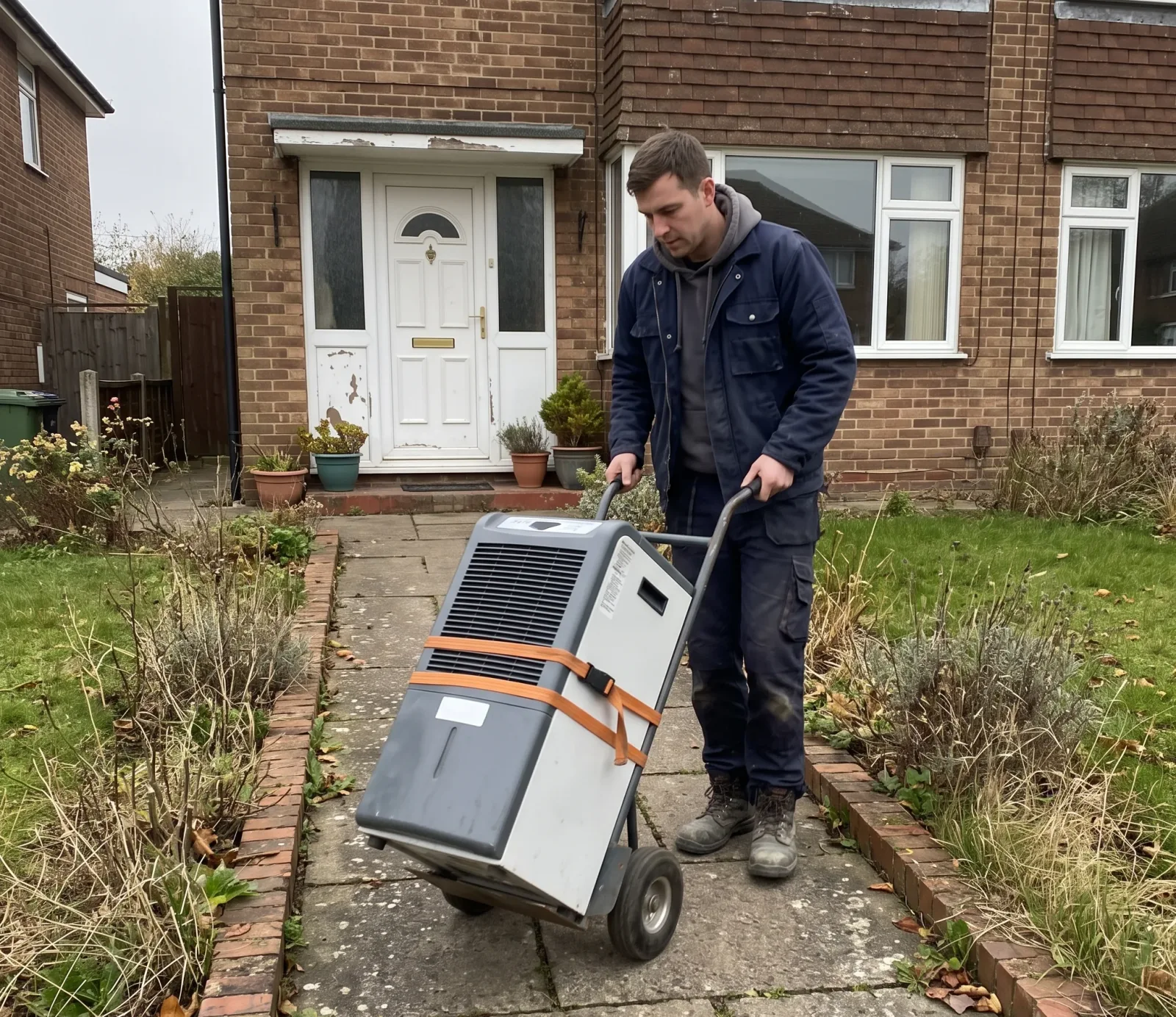
Before Tempe's monsoon season hits, walk the roofline, the yard slope, and the water heater tag. A short checklist beats a flooded kitchen near Mill Avenue or Kiwanis Park.
Read article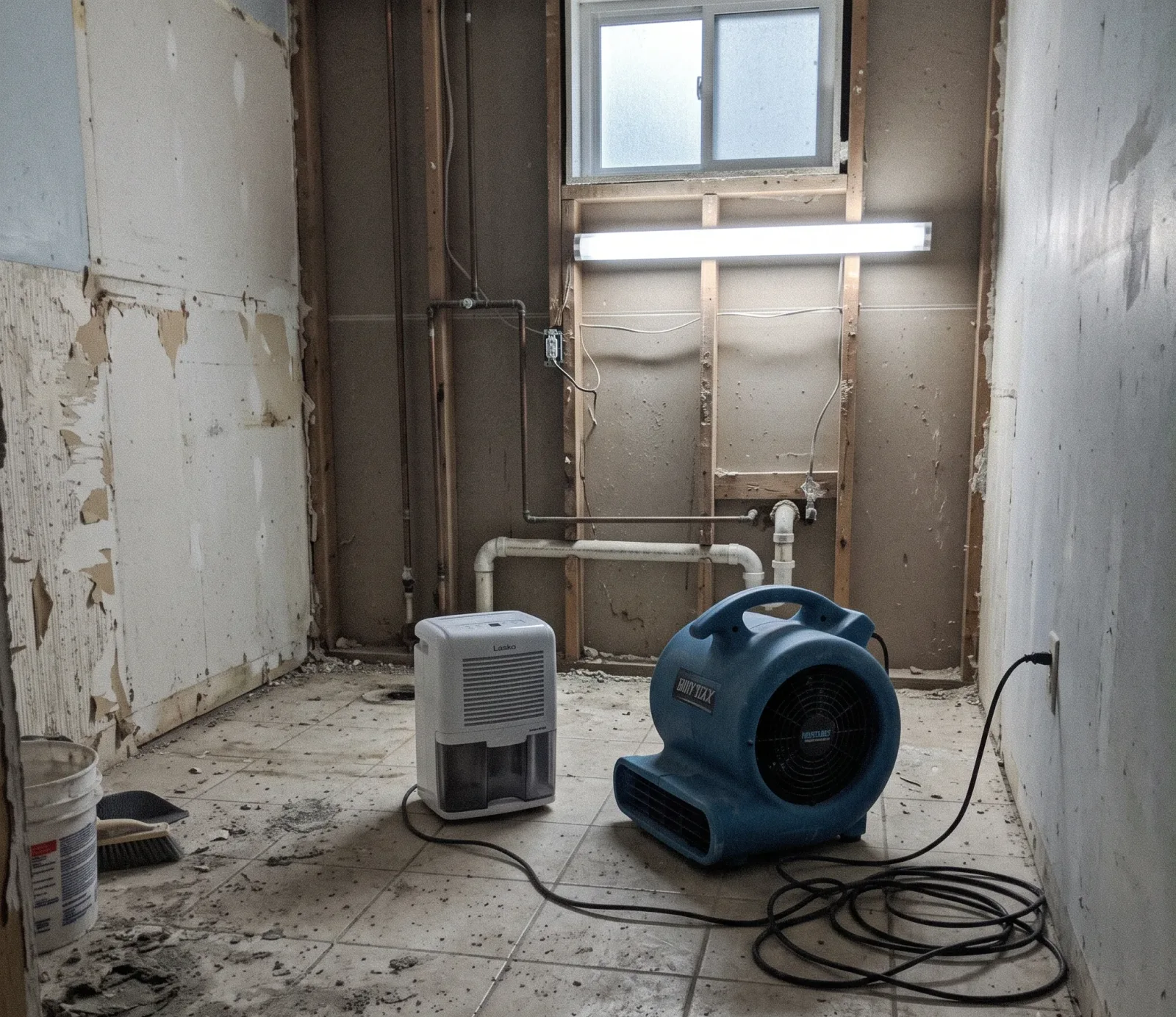
Daily moisture readings prove your home is dry, not a guess by feel.
Drying and dehumidification services in Tempe, AZ pull hidden water out of framing, drywall, and subfloor that can look dry on the surface for days.
Call (480) 681-1520 and a local licensed pro we connect you with will map the moisture and set a drying goal.
The best structural drying service reads moisture every day and keeps going until your framing, drywall, and subfloor match an untouched part of your own home.
A local licensed pro we connect you with sets air movers and an LGR or desiccant dehumidifier, then adds equipment if the numbers stall.
Commercial drying and dehumidification follows the same method as a home: moisture mapping, air movers, dehumidifiers, and daily readings until every material reaches dry standard.
Access near ASU rentals and Riverside courtyards can add time when parking is tight or units sit above the ground floor.
For a full building job, see commercial water and fire damage restoration or call (480) 681-1520.
Studs behind the baseboard can hold water while the wall looks dry. A penetrating meter checks inside the wood.
Framing that dried on its own can look rippled where the fibers swelled and never settled flat. Older sections near Maple Ash show this after a slow leak.
A kitchen or laundry floor near Escalante that flexes days after a mop-up is still carrying moisture. A meter reads the subfloor directly.
Drywall that stays cool to the touch, as in Warner Ranch Estates, often still holds water. Carpet pad can stay wet long after the puddle is gone.
A moisture meter and penetrating meter check every wet room against an untouched reference point in the same house. That reading becomes the drying goal.
Air movers push airflow while an LGR or desiccant dehumidifier pulls out the moisture. Units are sized to the room and the season.
A thermo-hygrometer tracks relative humidity and vapor pressure each day. Equipment is repositioned as the readings shift.
Once every material matches its reference reading, the equipment comes down. The completed log is ready for your insurance claim.
Tempe homes are slab-on-grade, so a monsoon roof leak or an overflowing water heater sends water straight into drywall, baseboards, and subfloor. Caliche soil doesn't pull moisture away fast, so undried water can turn into warped flooring or hidden mold behind the baseboard.
Dry standard is reached when framing, drywall, or subfloor tests at the same moisture content as an untouched part of that same house. It is not a fixed target off a chart.
A thermo-hygrometer and moisture meter are read each day the equipment runs. The readings go into a drying log, so you can watch the numbers move toward the goal.
Access near ASU rentals and Riverside courtyards can add time when parking is tight or units sit above the ground floor.
Ask any licensed pro near Mill Avenue for a breakdown before work starts: square footage affected, equipment run time in days, and materials torn out versus salvaged. That paper trail is what an insurer wants to see, and it's what keeps the final invoice from surprising you.
| Flooring Salvage Odds | Cabinet Base Damage | Who Coordinates Repairs |
|---|---|---|
| Putting a home back together prices out like construction work: materials, hours on site, and how much drywall, paint, trim, or flooring gets replaced. A single flooded room near Escalante closes out faster than a multi-room tear-out. | Tempe sits flat on caliche hardpan, so slab foundations don't leak downward, they spread outward. A water heater failure near Rural Road or a monsoon roof leak off Apache Boulevard pools fast, soaking drywall before anyone near Mill Avenue notices. That flat grade near Tempe Town Lake is exactly why quick response matters more than luck here. | an estimated $1020–$4725 |
| Finish level and the square footage rebuilt set this number, whether that means patching one wall or replacing flooring across a unit near Hayden Ferry Lakeside. A University Heights remodel scopes wider than a single bedroom. | Rental turnover near Apache Boulevard and ASU means water damage often gets reported days late, after a tenant already moved out. By the time anyone near Mill Avenue notices the ceiling stain, drywall behind it has been wet through two full weekends. | an estimated $1200–$6750 |
| Matches a roof failure during monsoon season that sat against drywall near McClintock Drive longer than one visit can fix, needing repeat checks over several days. | Tempe sits on caliche hardpan, not clay, so water from a burst line near Rural Road doesn't sink, it spreads sideways under the slab toward Mill Avenue rentals and ASU-area units before anyone notices the carpet is soaked. | an estimated $1800–$10800 |
| Rebuilding after drying and demo runs room by room and material by material, so one wet bedroom in Riverside costs less than a full kitchen near Baseline Road with cabinetry, flooring, and drywall all torn out. | Tempe's slabs sit over caliche, so water rarely sinks — it spreads sideways under baseboards until it hits carpet edges or cabinet toe-kicks near Rio Salado Parkway rentals. A rental near Apache Boulevard can look dry at the door and soaked three rooms in before anyone checks the closets. | an estimated $2880–$18000 |
A ballpark figure given before anyone lifts a baseboard near Mill Avenue or checks the slab under a Warner Ranch kitchen means little. The licensed pros we connect you with inspect the property first, then price the actual repair, not a guess made from a driveway.
Either one, depending on conditions in the room. An LGR unit works best on air that is already somewhat dry, while a desiccant unit keeps pulling moisture even when the space stays warm and humid.
It depends on the material, how long water sat, and the size of the area. A single bathroom may hit dry standard in a few days, while a living room soaked down to the subfloor can take longer. Daily readings show the real progress.
A moisture reading on the wet drywall is matched against a reading from an untouched wall elsewhere in the house. When the two numbers line up, that material has reached its drying goal.
Yes, when the daily numbers stop moving. A steady reading usually means airflow needs repositioning or another dehumidifier needs to join the ones already running.
As a daily log, not a final summary. Each visit records moisture readings at the same marked points, the equipment and where it sat, and the temperature and humidity in the drying area. An adjuster looks for an unbroken line of readings trending down.
As a guide, structural drying here works out at an estimated $1200–$4500 per treatment. Bigger properties and established activity sit at the upper end; a single contained issue caught early sits at the bottom. Nothing is charged until you have approved a written estimate.
Housing stock near University Heights or Escalante skews older, built well before 2000, while newer construction near Warner Ranch sits on the same caliche. Age changes what's behind the wall, but every one of these lots drains the same slow way once water hits it.
Before Tempe's monsoon season hits, walk the roofline, the yard slope, and the water heater tag. A short checklist beats a flooded kitchen near Mill Avenue or Kiwanis Park.
Read article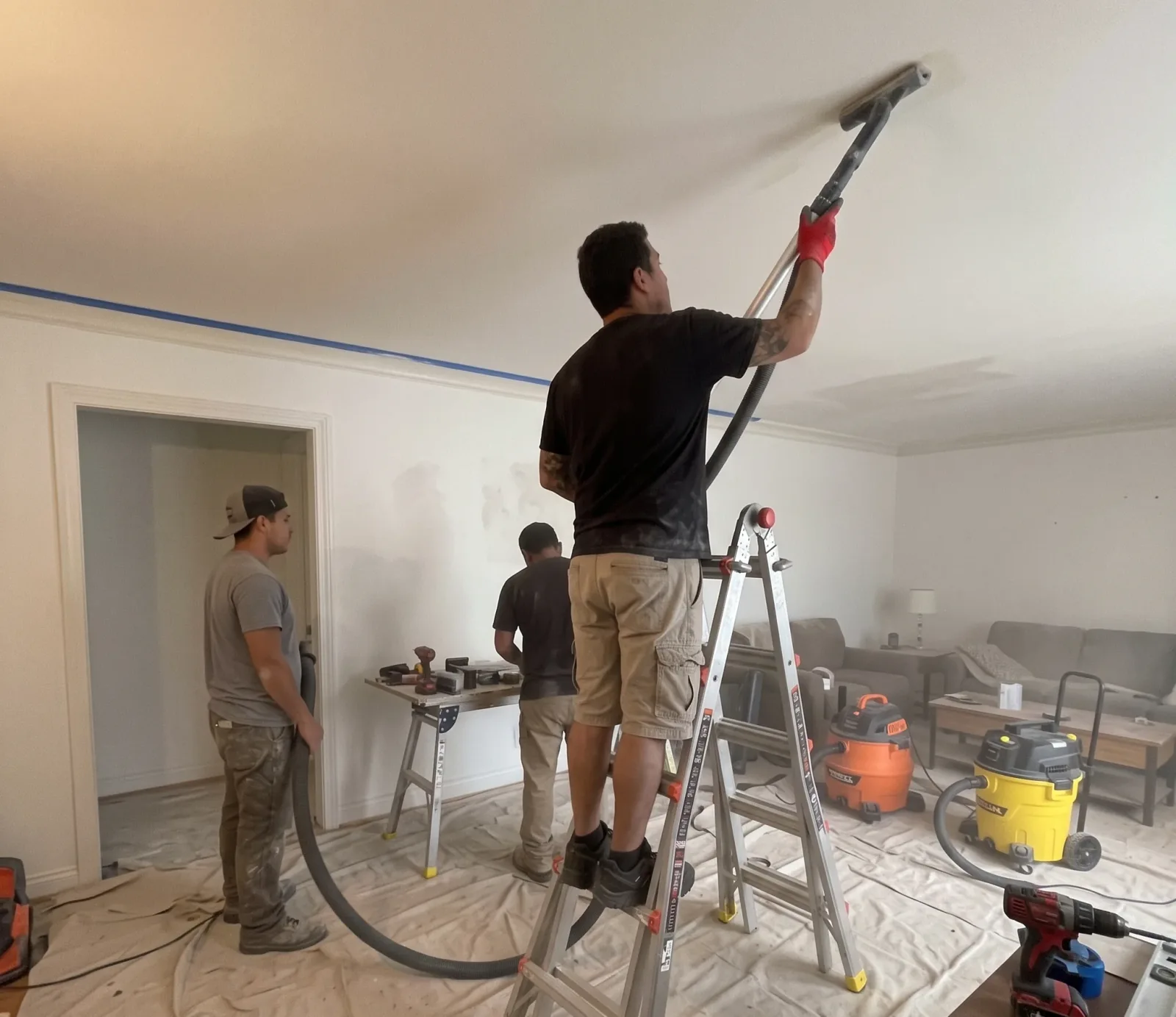
Before the fans start running, a Tempe restoration crew walks the damage, maps moisture, and writes a plan. Here's what that first hour looks like.
Read article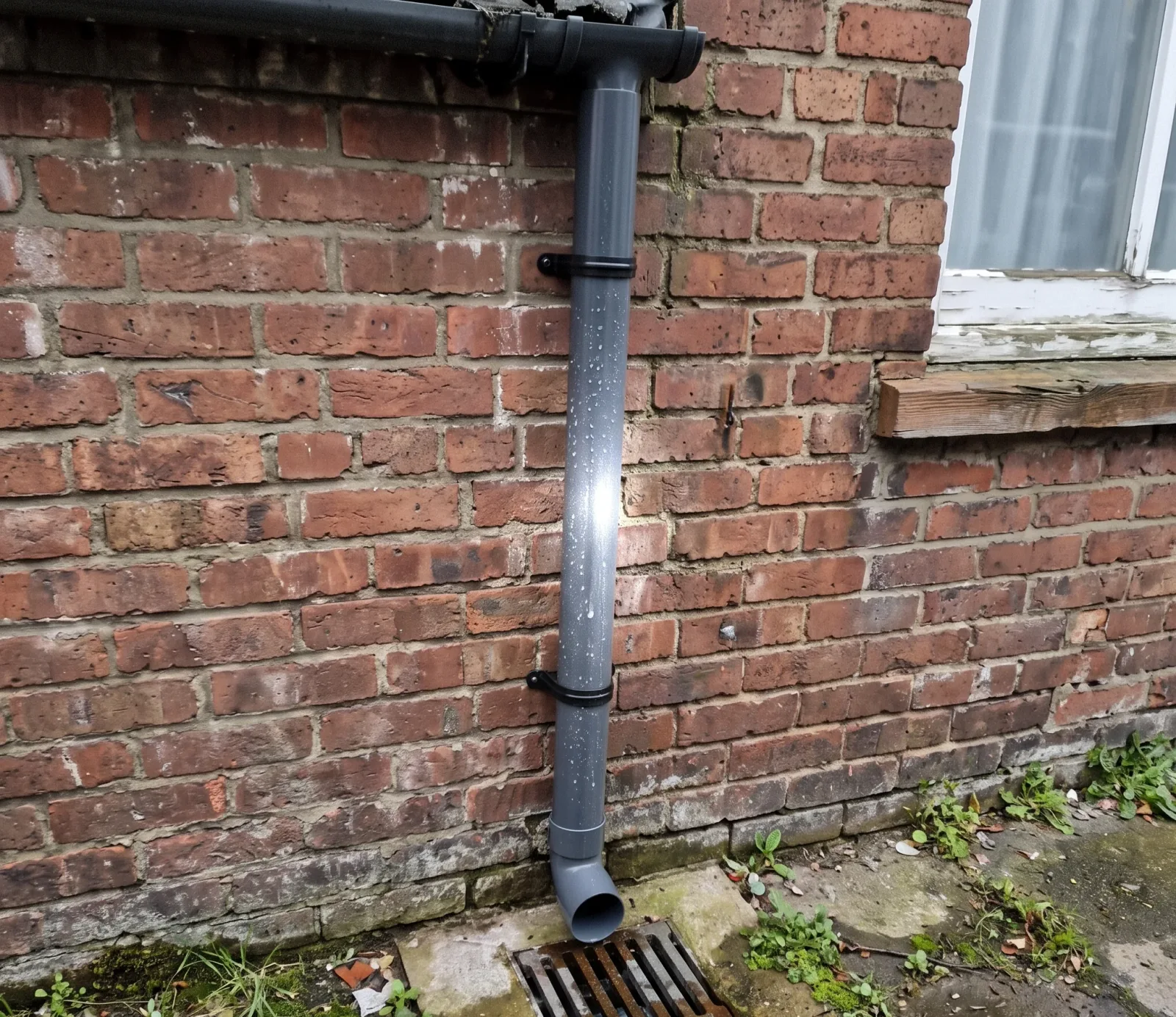
How often to check an AC drain line in Tempe, where units run nearly year-round, and what a realistic inspection schedule looks like.
Read articleThis page covers one part of a response that usually involves more than one fix. Water damage in Tempe rarely stays where it started; a roof leak during monsoon season can reach wiring, and an AC condensate leak can sit under flooring near Mill Avenue rentals for days before anyone smells it. The full picture depends on your home, not a general description. The licensed pros we connect you with can look at what's actually happening and explain what comes next.
Call (480) 681-1520