Insurance & Legal
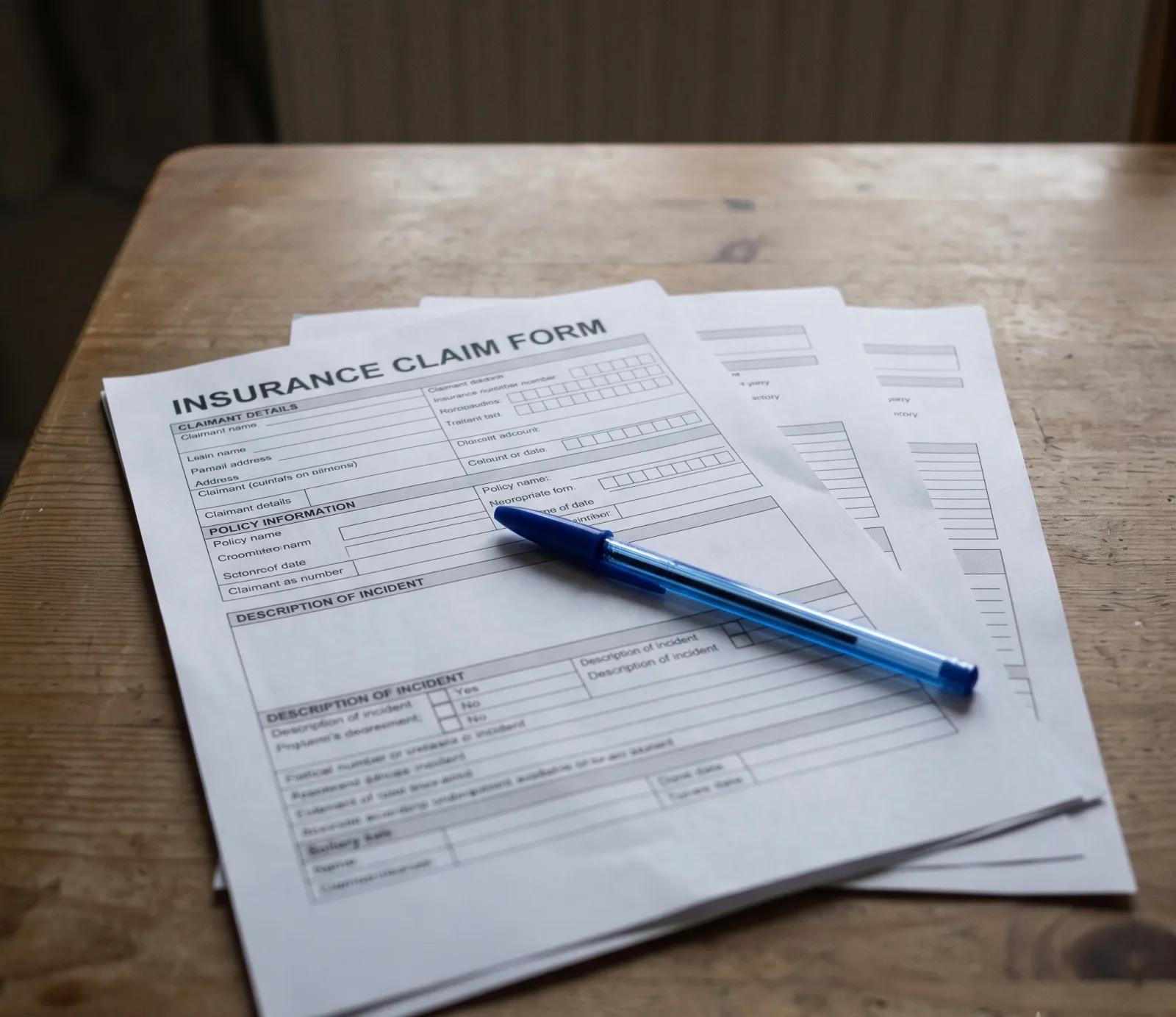
Documenting Water Damage for a Tempe Insurance Claim
What to photograph, film, and log in a Tempe home before cleanup starts, so the documentation actually holds up during a claim.
Read article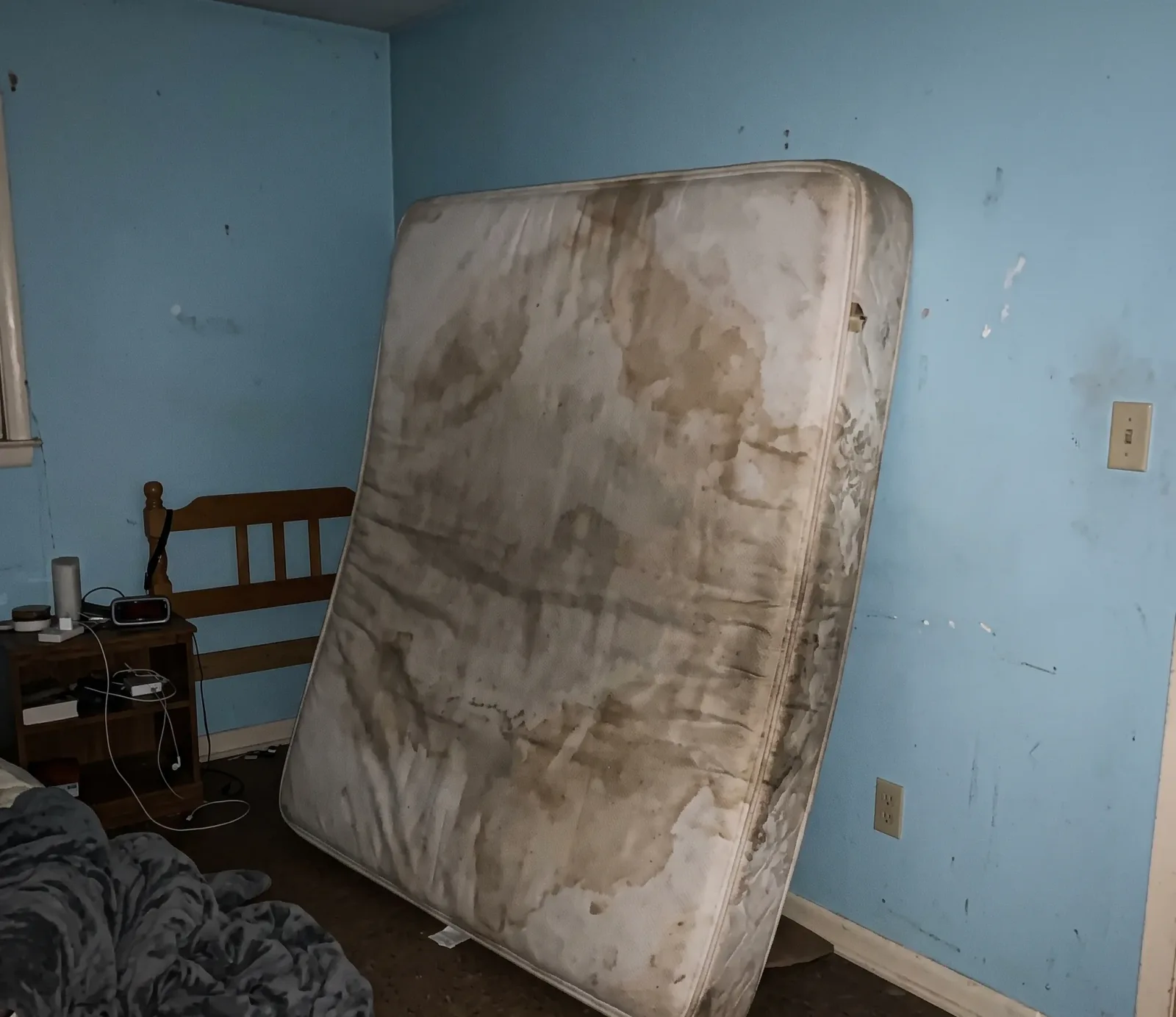
Freeze-drying for wet papers and photos, plus pack-out, cleaning, and storage for the rest of your belongings.
Water damaged document restoration Tempe, AZ starts with pulling wet papers and photos out fast, before pages fuse or mold sets in. Don't wait: call now and a local licensed pro can start the process.
The licensed pros we connect you with also handle furniture and electronics. Everything gets logged, cleaned, dried, and stored until your home is ready.
Document drying restoration services use freeze-drying to pull water out of soaked paper before the pages stick together or mold sets in.
Photograph restoration follows a similar timeline, so the sooner wet photos and papers are pulled out, the more of them can be saved.
Document recovery services begin with a content inventory, where each item is tagged and photographed before it leaves the room.
Papers, photos, and electronics often travel to a facility for freeze-drying, ultrasonic cleaning, or photograph restoration. The manifest then matches what comes back.
Tax records, ASU coursework, and family photos are the usual rescues. Call the licensed pros today, because wet paper doesn't hold up for long.
A microburst like the one that hit Tempe in October 2025 can drive rain through a roof line and soak a living room fast. Furniture gets inventoried and moved out for cleaning before drying equipment can run.
A router or console that took on water may still power on and fail later. Corrosion on circuit boards shows up slowly, so electronics get their own restoration track.
Tax records, coursework, or family photos left wet after a roof leak don't last once pages start sticking together. Freeze-drying works best when it starts before that happens.
Each item is tagged, photographed, and written onto a content manifest before it leaves your Tempe property.
Furniture, electronics, and documents split into separate tracks: cleaning, freeze-drying, or electronics restoration.
Hard goods get ultrasonic cleaning, fabric gets textile cleaning, and paper gets document drying.
After climate-controlled storage, each item returns to your home and is checked against the original manifest.
Older Tempe homes near Maple Ash often hold original furniture and family papers, and Hayden Ferry Lakeside condos hold newer belongings. Slab construction lets water reach personal property at floor level fast, so pack-out timing matters as much as the drying.
Slab foundations mean a burst line or monsoon leak spreads along the floor instead of pooling out of sight. That's why furniture, boxes, and paperwork are logged and moved out early.
Triple-digit heat near Kiwanis Park or Papago Park is why belongings don't sit in a garage during repairs. Furniture and electronics go into steady-temperature storage until pack-back.
Ask any licensed pro near Mill Avenue for a breakdown before work starts: square footage affected, equipment run time in days, and materials torn out versus salvaged. That paper trail is what an insurer wants to see, and it's what keeps the final invoice from surprising you.
| Monsoon Readiness | SRP Water Day Risk | Drywall Damage Level |
|---|---|---|
| Putting a home back together prices out like construction work: materials, hours on site, and how much drywall, paint, trim, or flooring gets replaced. A single flooded room near Escalante closes out faster than a multi-room tear-out. | Tempe's alluvial soil sits on caliche hardpan, so water from a burst line near Mill Avenue rarely drains down — it spreads sideways under the slab. A leak by Kiwanis Park behaves differently than one off Rural Road, depending on how thick that hardpan runs beneath the flooring. | an estimated $425–$3150 |
| Finish level and the square footage rebuilt set this number, whether that means patching one wall or replacing flooring across a unit near Hayden Ferry Lakeside. A University Heights remodel scopes wider than a single bedroom. | Caliche sits under most of Tempe, from Warner Ranch to Escalante, and it barely drains. A water heater failure in a slab home near Kyrene Road can pool for hours instead of soaking away, pushing moisture sideways under baseboards before anyone notices the carpet is soaked. | an estimated $500–$4500 |
| Matches a roof failure during monsoon season that sat against drywall near McClintock Drive longer than one visit can fix, needing repeat checks over several days. | Flat roofs near Mill Avenue and slab foundations across Warner Ranch sit low against caliche hardpan, so monsoon rain has nowhere to go but sideways into walls. A water heater failure in an ASU rental or a flood irrigation gate left open near Kyrene Road spreads the same way: fast, sideways, and hidden until the drywall bows. | an estimated $750–$7200 |
| Rebuilding after drying and demo runs room by room and material by material, so one wet bedroom in Riverside costs less than a full kitchen near Baseline Road with cabinetry, flooring, and drywall all torn out. | Tempe runs flat from Papago Park to McClintock Drive, so water doesn't rush downhill like it does in hillier cities — it pools. Flood irrigation gates near Warner Ranch and roof runoff along Apache Boulevard both sit on caliche that barely drains, turning a slow leak into standing water fast. | an estimated $1200–$12000 |
What a neighbor near Kiwanis Park paid rarely predicts your bill. Caliche hardpan under Tempe lots keeps water from draining away fast, so two homes on the same street can dry at very different speeds and costs.
Often, if they're pulled out quickly. Freeze-drying is the standard approach for soaked paper, and it works better before pages fuse or mold sets in. Photograph restoration follows a similar timeline.
No. Furniture is sorted first, and anything with a real shot at cleaning or restoration goes through that process. Only pieces too contaminated to save, often after sitting in standing water, are set aside for disposal.
Sometimes. Circuit boards are treated carefully rather than air-dried, since corrosion can set in after a splash. A device that works today isn't guaranteed to keep working next month.
A content inventory is written up item by item as things leave your Tempe property, with a condition note on each piece. The same list carries through cleaning and storage until pack-back.
Pack-back happens once the property is dry and repairs are done. Each item returns against the same inventory list and is placed room by room.
Contents & document restoration in this area typically falls between an estimated $500–$3000 per treatment. The free inspection is what turns that range into an exact number, and you see it in writing first. We deliberately price a little below the local average.
Tempe sits flat in the Salt River Valley, but caliche hardpan under the sand keeps monsoon rain from draining fast. Water pools against a slab near Mill Avenue or Rio Salado Parkway instead of soaking in, which is why a fast pump-out matters more here than the rain total itself.
What to photograph, film, and log in a Tempe home before cleanup starts, so the documentation actually holds up during a claim.
Read article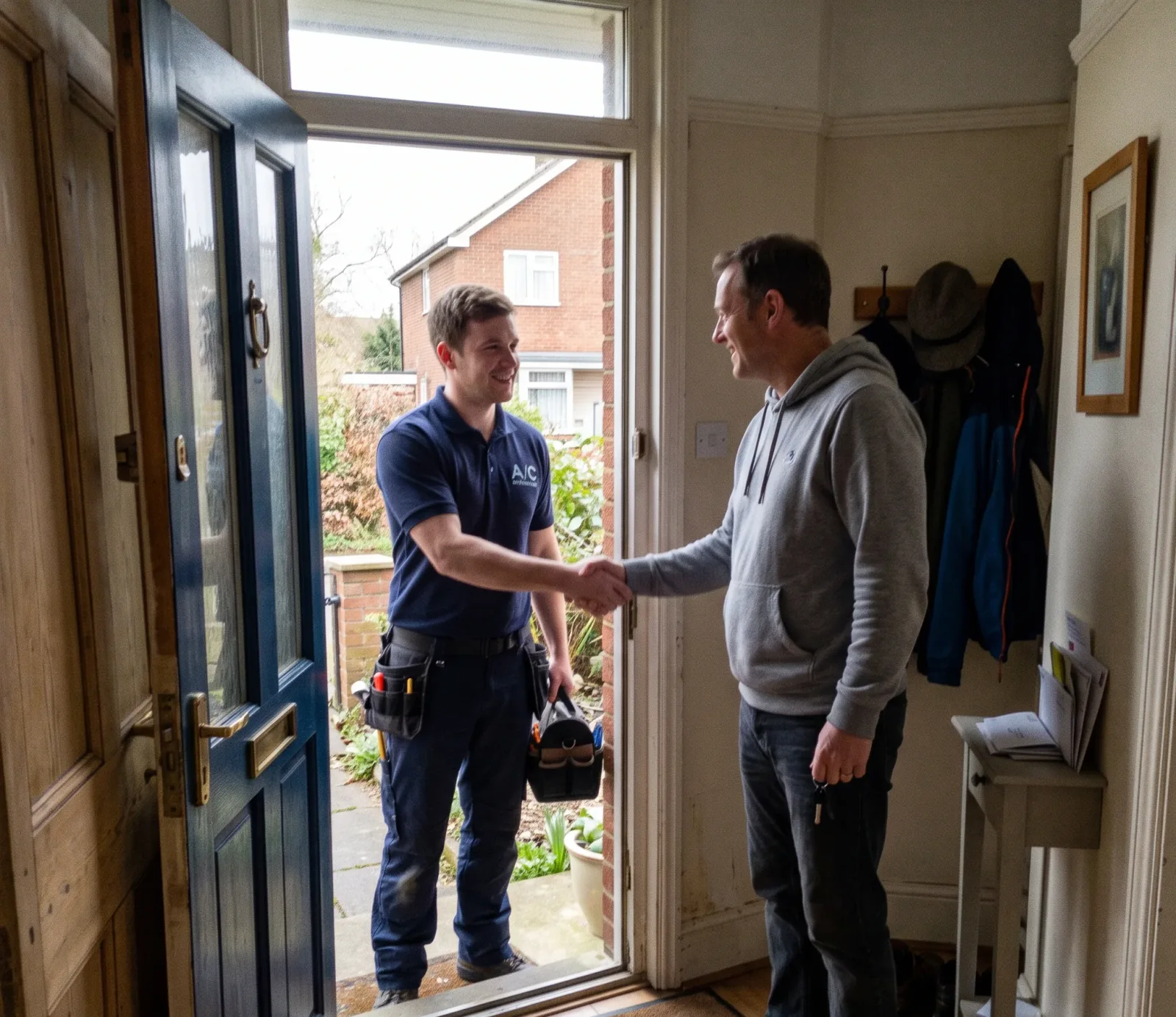
IICRC certification explained in plain terms for Tempe homeowners comparing restoration quotes: what the credential covers, and what it doesn't.
Read article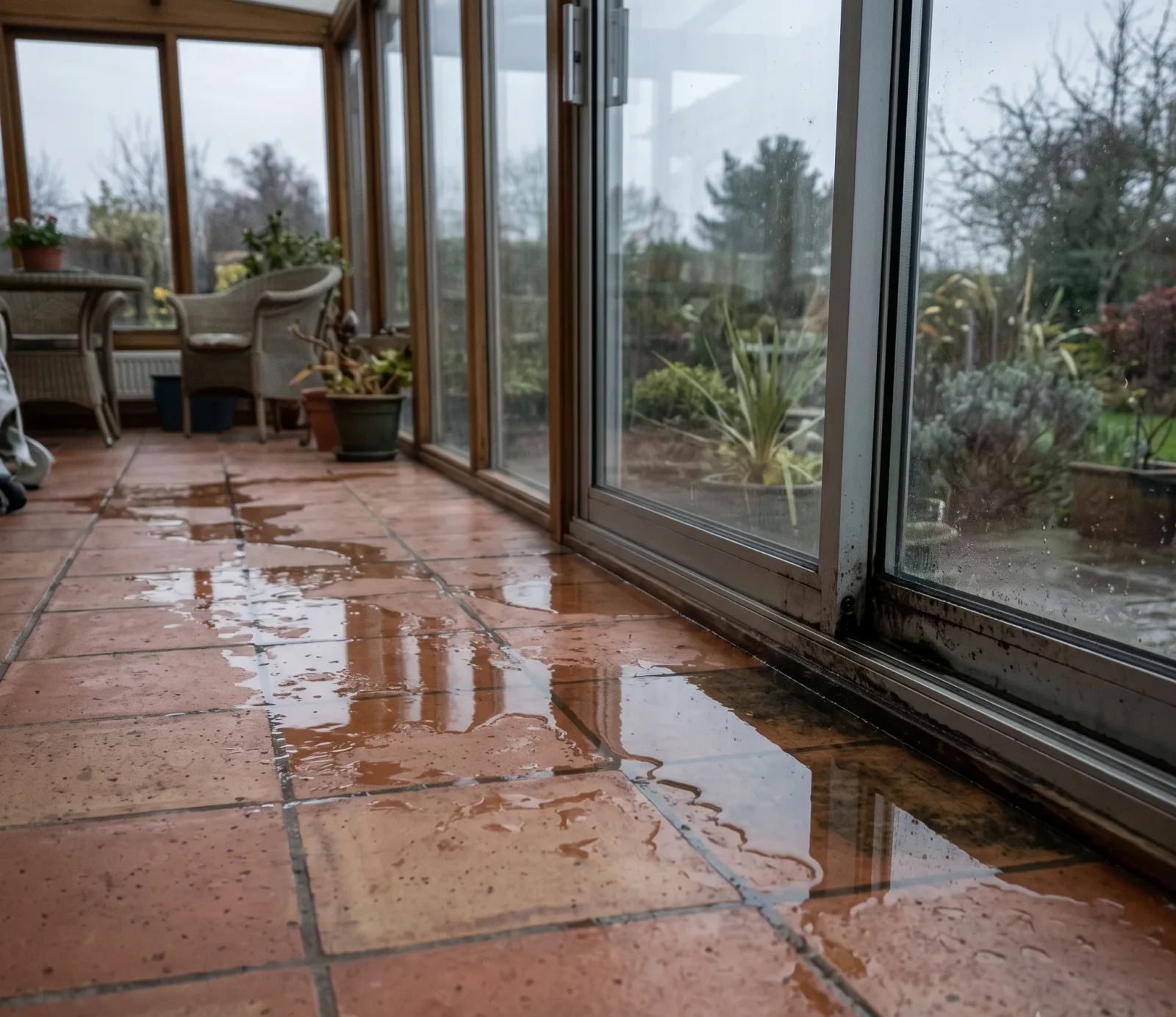
A water-damaged Tempe home often needs its contents moved out before repairs can start. Here's how a pack-out actually works, item by item.
Read articleThis page covers one part of a response that usually involves more than one fix. Water damage in Tempe rarely stays where it started; a roof leak during monsoon season can reach wiring, and an AC condensate leak can sit under flooring near Mill Avenue rentals for days before anyone smells it. The full picture depends on your home, not a general description. The licensed pros we connect you with can look at what's actually happening and explain what comes next.
Call (480) 681-1520