Insurance & Legal
What AZ Landlord-Tenant Law Says About Water Damage
Arizona's landlord-tenant law sets real repair timelines for water damage in rentals — here's what habitability actually requires and what tenants can do.
Read article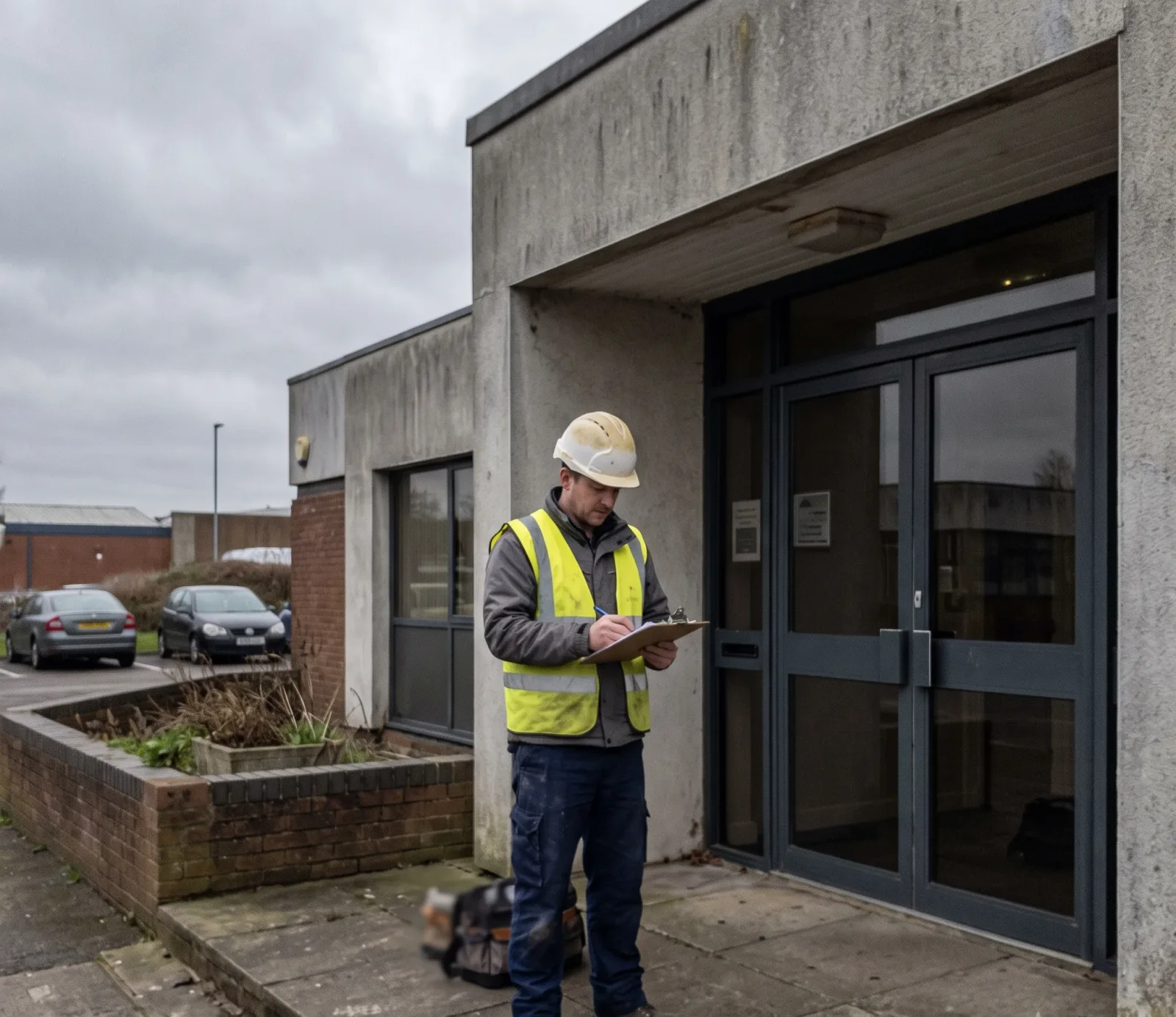
Fast, phased water and fire damage response that keeps Tempe businesses open while the work gets done.
Water damage restoration Tempe, AZ businesses can rely on starts with a fast call to a local licensed pro who limits your downtime. Call (480) 681-1520 now and we'll connect you with a licensed commercial water damage restoration company.
One broken supply line or a tripped fire panel can cost a Tempe business a full day. Phased work keeps floors reopening in sequence instead of all at once.
Water restoration means finding every area the water reached, stopping the spread, and drying the space so it can reopen. Water mitigation services start with a walkthrough of every unit, floor, or department affected, not just where the leak began.
Commercial-grade equipment sized to the building's footprint handles structural drying across every affected section.
A commercial fire and water damage restoration company handles both losses together, because a fire brings suppression water with it.
That water keeps moving through drywall and flooring long after the smoke clears, so a retail space near Tempe Marketplace can end up with a fire claim and a water claim on the same file. Commercial fire restoration and water work get planned as one job.
Commercial building water damage repair services work best in phases, so one section dries while another keeps normal hours.
Multi-unit buildings near ASU and Downtown Tempe run several tenants on shared systems, so a burst line on one floor can reach the units below before anyone notices.
The biggest cost driver is usually how many trades must coordinate before the space is usable, so check the pricing guide before you plan.
Commercial water damage cleanup can run nights or weekends, so your tenants stay open during the day.
The property manager or facility manager sets the schedule, and you don't have to be there for every visit.
Don't wait on standing water, because it spreads into drywall and flooring fast. Call (480) 681-1520 now.
Commercial flood damage restoration removes the water, dries the structure, and checks for lingering moisture before the space reopens.
Most Tempe commercial buildings sit on a slab, so flood and monsoon water hits flooring, drywall, and cabinet bases first. Commercial mold damage restoration becomes part of the plan when moisture lingers.
Monsoon season adds roof leaks and wind-driven water across a whole tenant space.
A large loss near ASU or Downtown Tempe rarely stays in one unit. Shared systems in multi-tenant buildings let a burst line on one floor reach the units below.
A kitchen or electrical fire brings suppression water that keeps moving through drywall and flooring. You can end up with a fire claim and a water claim on one file.
Every day a space stays closed adds lost revenue on top of repair costs. Downtime often hurts faster than the drying itself.
Every unit, floor, or department the water or fire reached gets checked, so the real scope is known before scheduling begins.
The pro works out with your property or facility manager which sections dry first, so tenants who can stay open keep operating.
Equipment sized to the building's actual footprint dries every affected section, not just one room.
Each section clears as it dries, with tenant coordination so occupied space reopens when it's actually ready.
Most commercial buildings in Tempe sit on a slab foundation, so water damage shows up fast at floor level in flooring, drywall, and cabinet bases. Monsoon season adds roof leaks and wind-driven water to that same problem across a whole tenant space.
Tempe ranges from older brick storefronts near Mill Avenue to mid-rise towers at Hayden Ferry Lakeside, and a large loss behaves differently in each. Older buildings hide plumbing and wiring in ways a newer slab-built property near Tempe Town Lake does not.
Office and retail space near ASU and the Rio Salado Parkway corridor often runs multiple tenants on one roof and one mechanical system. A loss in one suite becomes a scheduling job for the whole building, not a single repair.
Ask any licensed pro near Mill Avenue for a breakdown before work starts: square footage affected, equipment run time in days, and materials torn out versus salvaged. That paper trail is what an insurer wants to see, and it's what keeps the final invoice from surprising you.
| Flooring Salvage Odds | Cabinet Base Damage | Who Coordinates Repairs |
|---|---|---|
| Putting a home back together prices out like construction work: materials, hours on site, and how much drywall, paint, trim, or flooring gets replaced. A single flooded room near Escalante closes out faster than a multi-room tear-out. | Tempe sits flat on caliche hardpan, so slab foundations don't leak downward, they spread outward. A water heater failure near Rural Road or a monsoon roof leak off Apache Boulevard pools fast, soaking drywall before anyone near Mill Avenue notices. That flat grade near Tempe Town Lake is exactly why quick response matters more than luck here. | an estimated $2380–$15750 |
| Finish level and the square footage rebuilt set this number, whether that means patching one wall or replacing flooring across a unit near Hayden Ferry Lakeside. A University Heights remodel scopes wider than a single bedroom. | Rental turnover near Apache Boulevard and ASU means water damage often gets reported days late, after a tenant already moved out. By the time anyone near Mill Avenue notices the ceiling stain, drywall behind it has been wet through two full weekends. | an estimated $2800–$22500 |
| Matches a roof failure during monsoon season that sat against drywall near McClintock Drive longer than one visit can fix, needing repeat checks over several days. | Tempe sits on caliche hardpan, not clay, so water from a burst line near Rural Road doesn't sink, it spreads sideways under the slab toward Mill Avenue rentals and ASU-area units before anyone notices the carpet is soaked. | an estimated $4200–$36000 |
| Rebuilding after drying and demo runs room by room and material by material, so one wet bedroom in Riverside costs less than a full kitchen near Baseline Road with cabinetry, flooring, and drywall all torn out. | Tempe's slabs sit over caliche, so water rarely sinks — it spreads sideways under baseboards until it hits carpet edges or cabinet toe-kicks near Rio Salado Parkway rentals. A rental near Apache Boulevard can look dry at the door and soaked three rooms in before anyone checks the closets. | an estimated $6720–$60000 |
Older pockets near Maple Ash and Riverside sit on the same caliche and expansive clay found across Maricopa County, and slab foundations in that soil trap moisture differently lot to lot, so no two repair bids should read the same.
A large commercial loss is water or fire reaching more than one unit, floor, or department. A multi-tenant building with shared mechanical systems can turn a single leak into one fast.
Yes. Phased scheduling lets one section dry while another keeps normal hours. A tenant can stay open while a unit down the hall goes through drying and inspection on its own timeline.
Yes. Equipment can run nights or weekends so tenants stay open during the day. Whoever manages the building sets the schedule, and you don't have to be there for every visit.
Yes. Large commercial jobs are built around documentation an adjuster can use: moisture readings, photos of the affected footprint, and a record of the steps taken from the first walkthrough. That record supports your claim while phased drying keeps the property running.
Yes, in many cases. Arizona requires a Registrar of Contractors license for construction or repair work once a project passes a set cost or needs a building permit. Ask for the license before work starts.
Expect an estimated $2800–$15000 per visit for commercial water & fire damage restoration around Tempe. Where you land inside that depends on the size of the building and how long the problem has been running. The inspection is free, so you get a real figure rather than a guess, and it is written down before anyone starts.
Housing stock near University Heights or Escalante skews older, built well before 2000, while newer construction near Warner Ranch sits on the same caliche. Age changes what's behind the wall, but every one of these lots drains the same slow way once water hits it.
Arizona's landlord-tenant law sets real repair timelines for water damage in rentals — here's what habitability actually requires and what tenants can do.
Read article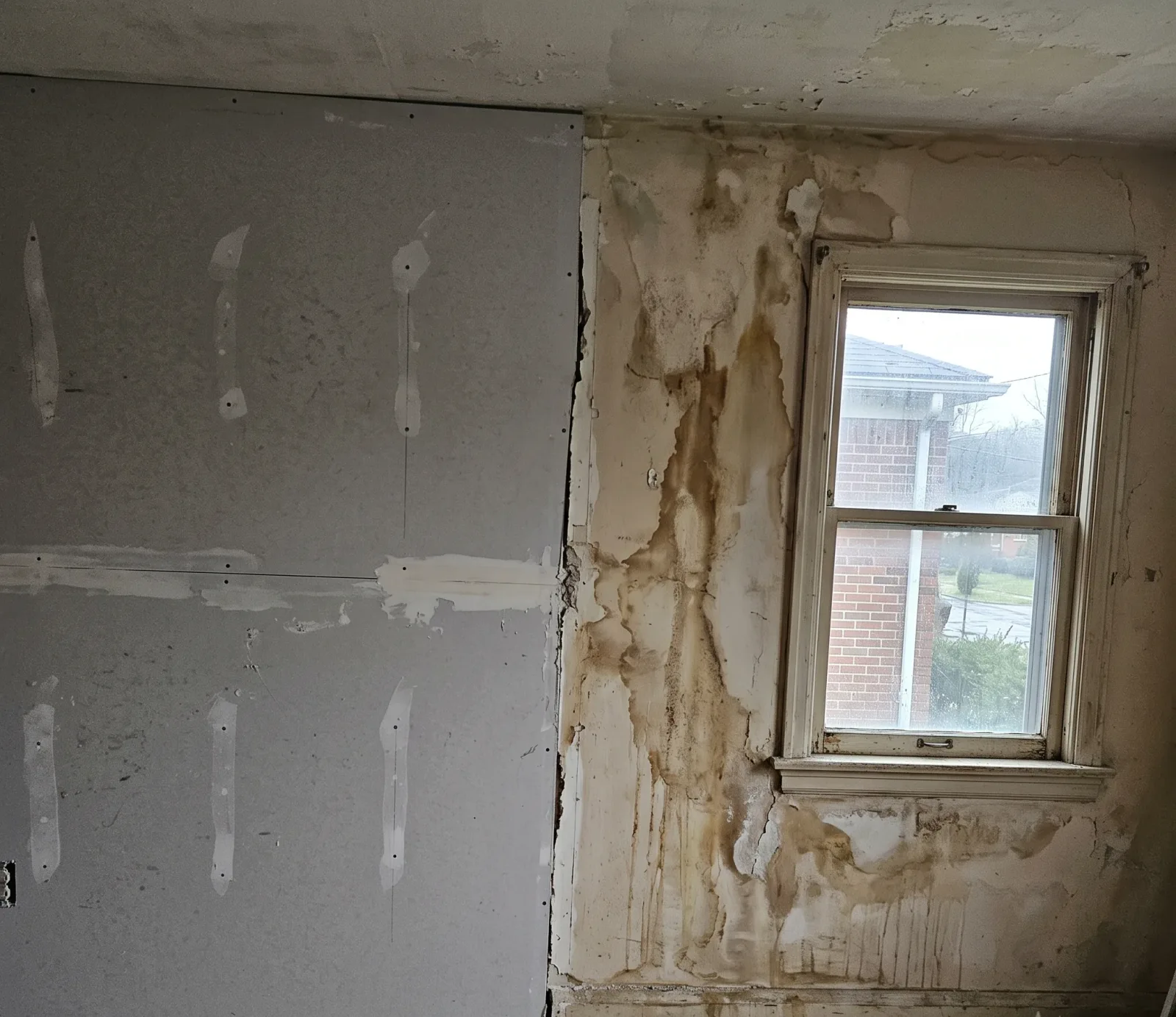
What Arizona seller disclosure rules mean for a Tempe home with a past water event: material defects, latent defects, mold history, and as-is sales explained.
Read article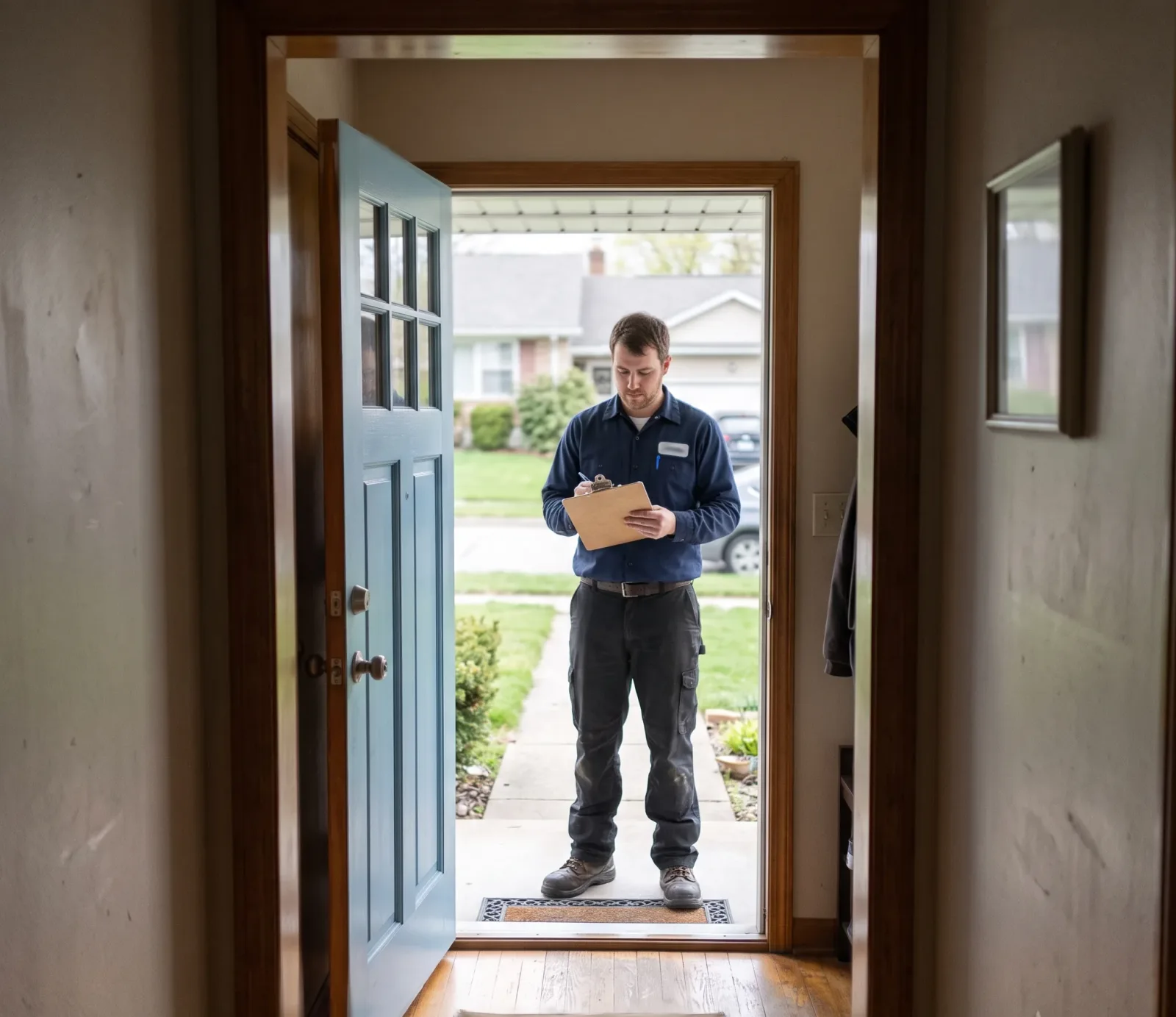
A quick-reference checklist for Tempe homeowners: shutoff valve, electrical hazard, wet items, and photo record steps to take before help arrives.
Read articleThis page covers one part of a response that usually involves more than one fix. Water damage in Tempe rarely stays where it started; a roof leak during monsoon season can reach wiring, and an AC condensate leak can sit under flooring near Mill Avenue rentals for days before anyone smells it. The full picture depends on your home, not a general description. The licensed pros we connect you with can look at what's actually happening and explain what comes next.
Call (480) 681-1520