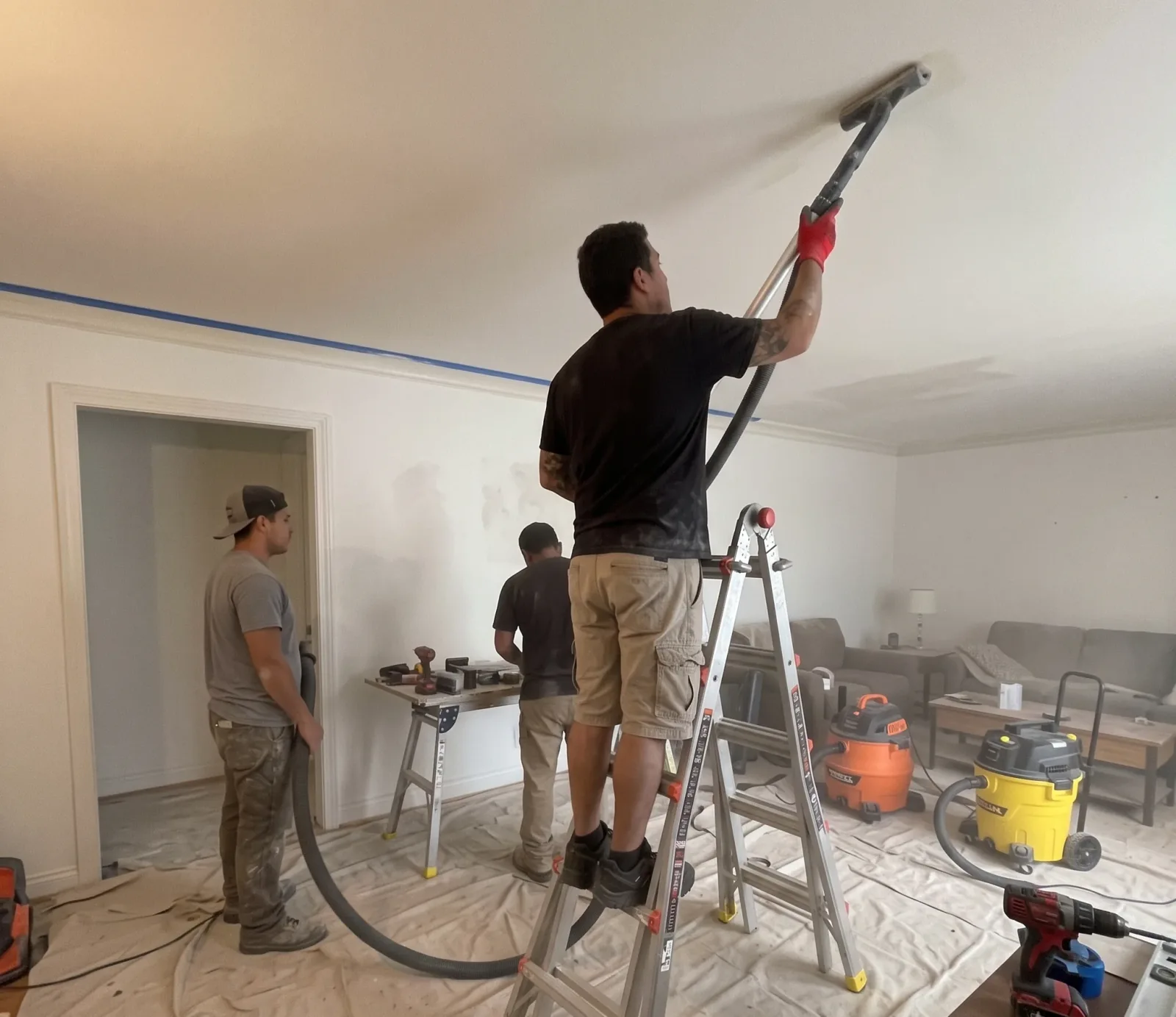
Water Damage
Your First Hour With a Restoration Crew in Tempe
Before the fans start running, a Tempe restoration crew walks the damage, maps moisture, and writes a plan. Here's what that first hour looks like.
Read article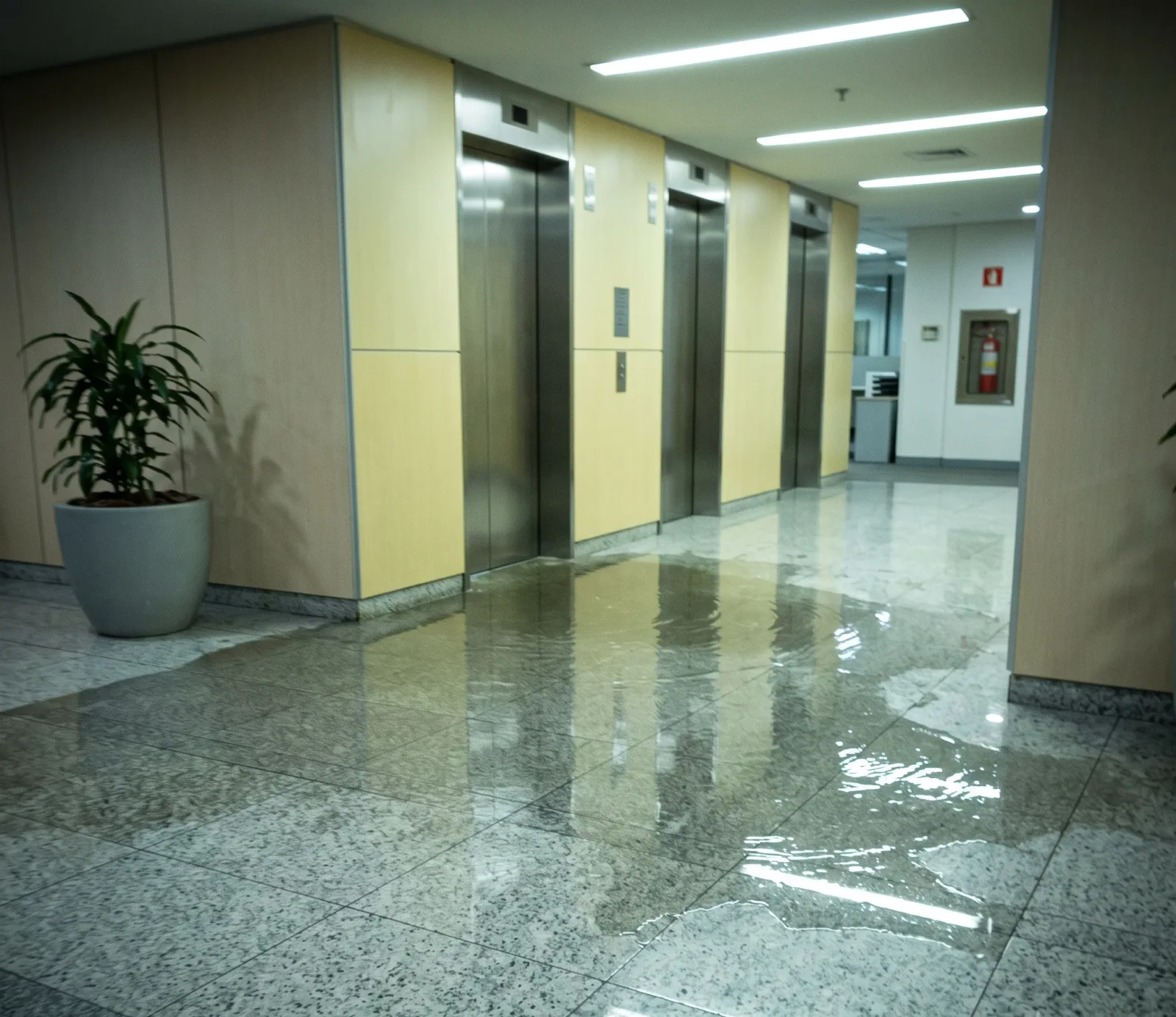
Soot, smoke and firefighting water cleaned up room by room, near Mill Avenue and beyond. Call (480) 681-1520.
Fire damage restoration Tempe, AZ starts with one call to a licensed local pro we connect you with. Soot travels through the HVAC and settles on walls far from the flames, and the firefighting water soaks in behind it.
Tempe's summer heat pushes odor and residue into fabric and drywall within hours, so don't wait. Call (480) 681-1520 now.
The best smoke damage restoration companies clean every room the smoke touched, not just the room that burned. Shared HVAC runs push particles through ductwork fast, so a fire in one condo can leave residue two floors away.
The licensed pros we connect you with match the cleaning method to the residue. They also test rooms that never burned for protein residue and smoke odor before calling them clean.
24/7 fire damage repairs matter because fire damage gets worse by the hour in Tempe's summer heat. Heat pushes odor and residue into fabric and drywall within hours, not days.
Water extraction comes first, ahead of surface cleaning. Tempe homes sit on slabs over caliche that barely drains, so firefighting water wicks into flooring instead of draining off.
Emergency fire damage contractors check the structure first, because a scorched beam still has to hold weight. Charred joists and rafters get inspected before anyone wipes soot off a wall.
Shallow charring on a stud may be sealed and kept, but wood that sat under sustained heat can lose strength inside while looking fine outside. Call now and we'll connect you with a local licensed pro to settle which is which.
Emergency fire restoration means pulling out firefighting water, cleaning soot and residue, and finishing with structural drying until moisture readings confirm the framing and flooring are dry. Any charred members get flagged for rebuild.
On a slab, trapped water has nowhere to go but sideways into baseboards and framing. Fast drying keeps a fire loss from turning into a second, slower problem.
Fire damage cleanup works best when the method matches the residue: ash and protein film from a kitchen fire need different agents than dry char from a wiring fault. The wrong method smears residue deeper into paint and texture, so call before you scrub.
Contamination in furniture and electronics often decides whether an item gets cleaned or replaced. A furnace or water heater puffback spreads oily soot through the ductwork across the whole house, which usually adds time and cost.
Smoke residue shows up in rooms that never burned, carried through shared HVAC runs. Left alone, the film keeps working on paint and metal.
A thin, greasy film next to visible char is protein residue, and it has a sharp smell. Scrubbing it the wrong way spreads it across cabinets and counters.
Suppression water travels into wall cavities and under cabinet bases long after the trucks leave. On a slab it has nowhere to soak in, so it sits and drives structural damage.
Smoke smell in closets, fabric or electronics means particles reached rooms that never saw flame. Those items often need separate cleaning.
Every room is checked for char, soot spread and firefighting water, since a fire rarely stays in one space.
Water is pulled from the slab and pooled areas first, before it wicks into drywall, cabinetry and subflooring.
Walls, ceilings and framing are cleaned with a method matched to the residue, since protein film and puffback soot need different treatments.
Cleaning and drying continue until moisture readings confirm the framing and flooring are dry, with charred members flagged for rebuild.
Tempe homes sit on slab foundations over caliche soil that barely drains, so firefighting water has nowhere to go but sideways into baseboards and framing. Start cleaning and drying fast, or trapped moisture turns a fire loss into a second, slower problem.
Slab foundations stop char from tracking below grade, but firefighting water still soaks flooring and drywall base fast. Caliche soil under the slab slows evaporation even more.
Homes near Maple Ash and Escalante were built decades before today's materials, so fire burns and chars differently than in a newer build. Downtown towers near Mill Avenue and Hayden Ferry Lakeside are mostly newer high-rise construction, so the restoration approach has to read how each structure reacted to heat.
Ask any licensed pro near Mill Avenue for a breakdown before work starts: square footage affected, equipment run time in days, and materials torn out versus salvaged. That paper trail is what an insurer wants to see, and it's what keeps the final invoice from surprising you.
| Monsoon Readiness | SRP Water Day Risk | Drywall Damage Level |
|---|---|---|
| Putting a home back together prices out like construction work: materials, hours on site, and how much drywall, paint, trim, or flooring gets replaced. A single flooded room near Escalante closes out faster than a multi-room tear-out. | Tempe's alluvial soil sits on caliche hardpan, so water from a burst line near Mill Avenue rarely drains down — it spreads sideways under the slab. A leak by Kiwanis Park behaves differently than one off Rural Road, depending on how thick that hardpan runs beneath the flooring. | an estimated $2380–$15750 |
| Finish level and the square footage rebuilt set this number, whether that means patching one wall or replacing flooring across a unit near Hayden Ferry Lakeside. A University Heights remodel scopes wider than a single bedroom. | Caliche sits under most of Tempe, from Warner Ranch to Escalante, and it barely drains. A water heater failure in a slab home near Kyrene Road can pool for hours instead of soaking away, pushing moisture sideways under baseboards before anyone notices the carpet is soaked. | an estimated $2800–$22500 |
| Matches a roof failure during monsoon season that sat against drywall near McClintock Drive longer than one visit can fix, needing repeat checks over several days. | Flat roofs near Mill Avenue and slab foundations across Warner Ranch sit low against caliche hardpan, so monsoon rain has nowhere to go but sideways into walls. A water heater failure in an ASU rental or a flood irrigation gate left open near Kyrene Road spreads the same way: fast, sideways, and hidden until the drywall bows. | an estimated $4200–$36000 |
| Rebuilding after drying and demo runs room by room and material by material, so one wet bedroom in Riverside costs less than a full kitchen near Baseline Road with cabinetry, flooring, and drywall all torn out. | Tempe runs flat from Papago Park to McClintock Drive, so water doesn't rush downhill like it does in hillier cities — it pools. Flood irrigation gates near Warner Ranch and roof runoff along Apache Boulevard both sit on caliche that barely drains, turning a slow leak into standing water fast. | an estimated $6720–$60000 |
A ballpark figure given before anyone lifts a baseboard near Mill Avenue or checks the slab under a Warner Ranch kitchen means little. The licensed pros we connect you with inspect the property first, then price the actual repair, not a guess made from a driveway.
Smoke rides on airflow, and shared ductwork in Tempe condos and apartments near ASU carries it well past the room that burned. Fabric, electronics and closets can end up coated with soot even where nothing burned, so those rooms need testing for protein residue and smoke odor.
Yes, soot is acidic and eats into painted surfaces, metal and cabinetry the longer it sits. Breathing it isn't good for anyone, especially with asthma or other respiratory issues.
No. Shallow charring on a stud or joist near where the fire started may be sealed and kept. Wood that sat under sustained heat can lose strength inside while looking fine outside, so it needs a closer inspection.
Yes, when the cleaning method matches the residue. Protein residue from a kitchen fire and soot from burned furniture respond to different methods, and the wrong one smears residue deeper into texture and paint.
It gets extracted first, before it wicks into drywall, cabinetry and subflooring. On a Tempe slab foundation it has nowhere to drain, so the licensed pros we connect you with dry the structure until moisture readings confirm it is dry.
As a guide, fire & smoke damage restoration here works out at an estimated $2800–$15000 per treatment. Bigger properties and established activity sit at the upper end; a single contained issue caught early sits at the bottom. Nothing is charged until you have approved a written estimate.
Tempe sits flat in the Salt River Valley, but caliche hardpan under the sand keeps monsoon rain from draining fast. Water pools against a slab near Mill Avenue or Rio Salado Parkway instead of soaking in, which is why a fast pump-out matters more here than the rain total itself.
Before the fans start running, a Tempe restoration crew walks the damage, maps moisture, and writes a plan. Here's what that first hour looks like.
Read article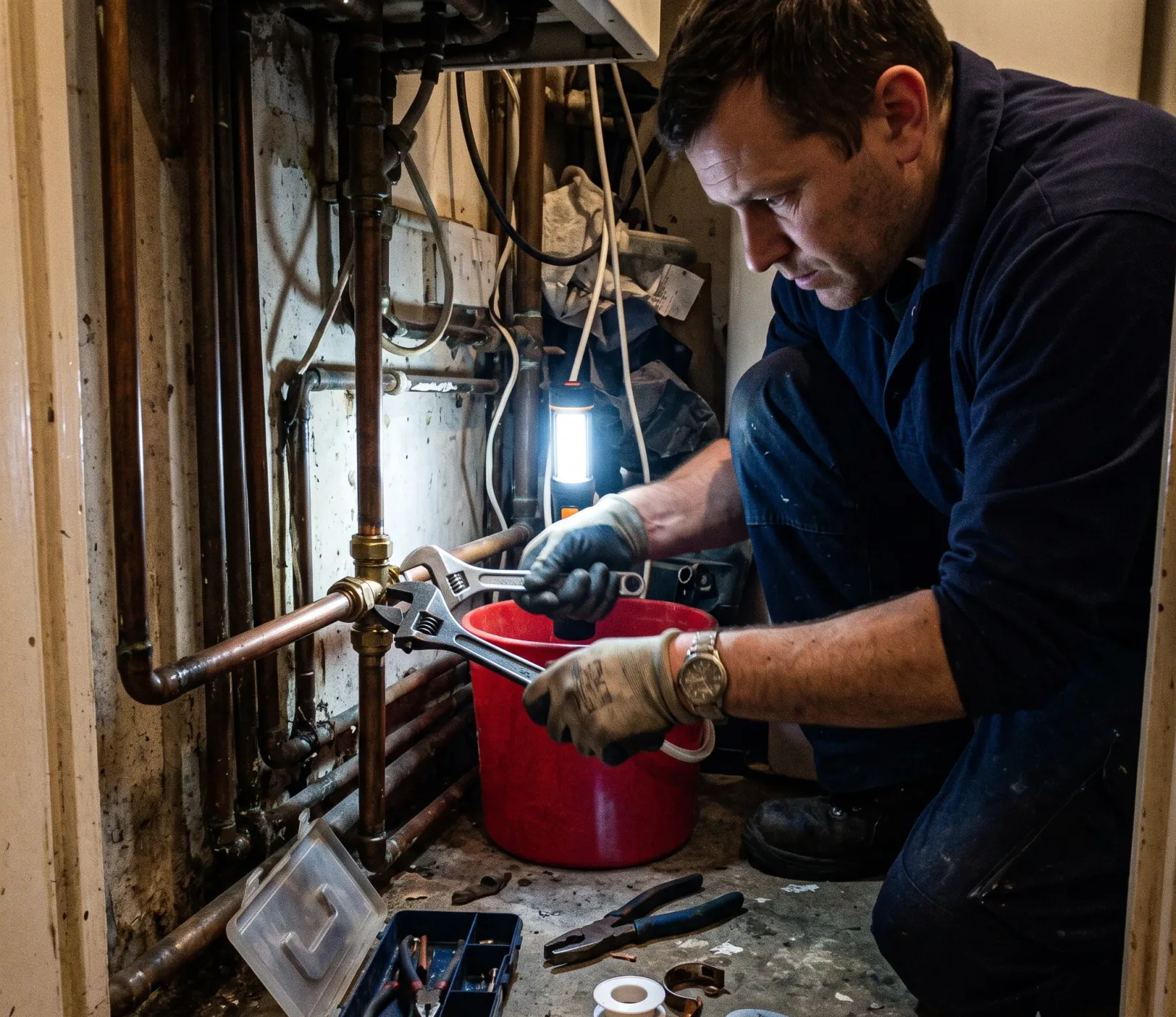
Arizona's landlord-tenant law sets real repair timelines for water damage in rentals — here's what habitability actually requires and what tenants can do.
Read article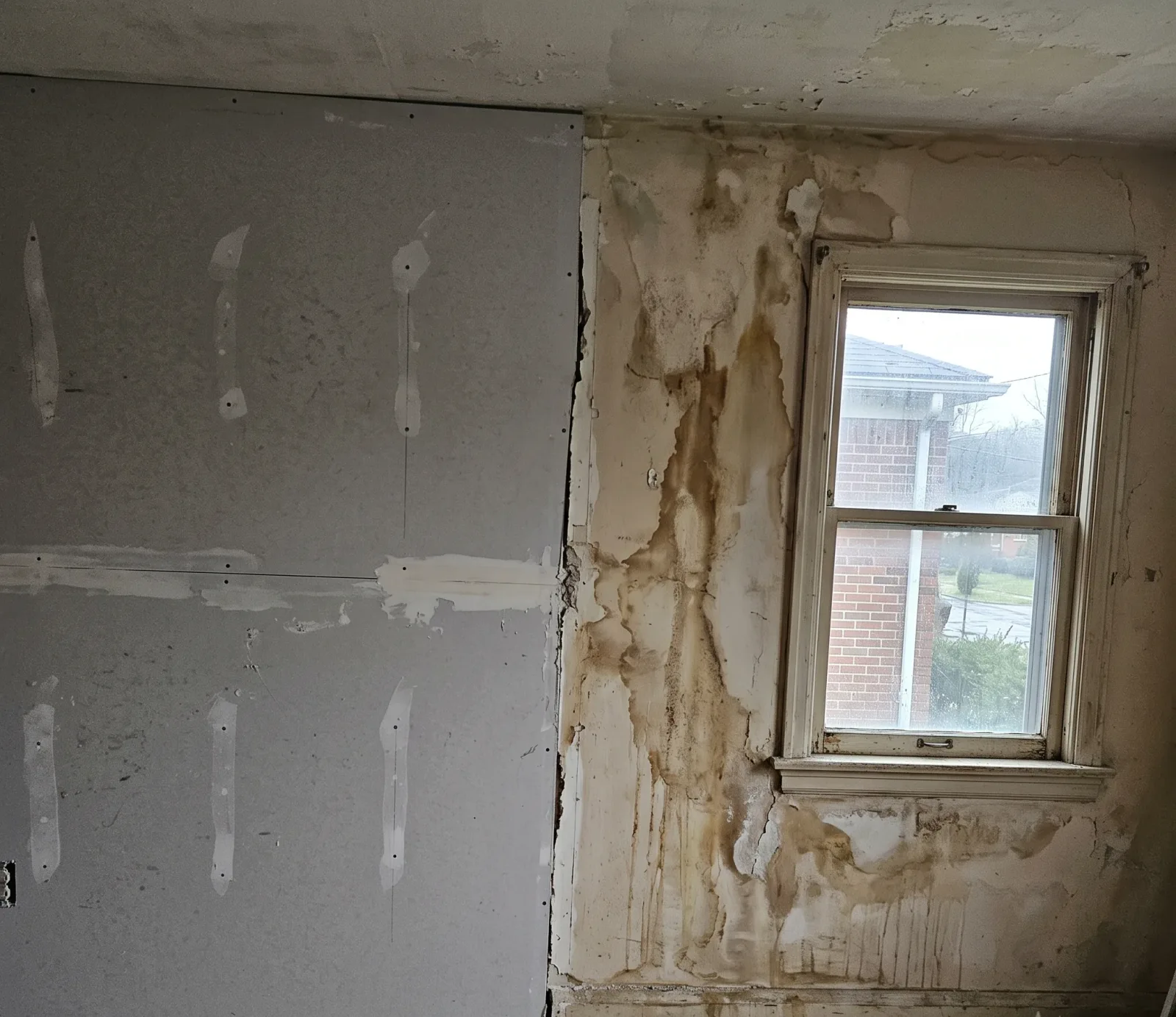
What Arizona seller disclosure rules mean for a Tempe home with a past water event: material defects, latent defects, mold history, and as-is sales explained.
Read articleThis page covers one part of a response that usually involves more than one fix. Water damage in Tempe rarely stays where it started; a roof leak during monsoon season can reach wiring, and an AC condensate leak can sit under flooring near Mill Avenue rentals for days before anyone smells it. The full picture depends on your home, not a general description. The licensed pros we connect you with can look at what's actually happening and explain what comes next.
Call (480) 681-1520