Insurance & Legal
What AZ Landlord-Tenant Law Says About Water Damage
Arizona's landlord-tenant law sets real repair timelines for water damage in rentals — here's what habitability actually requires and what tenants can do.
Read article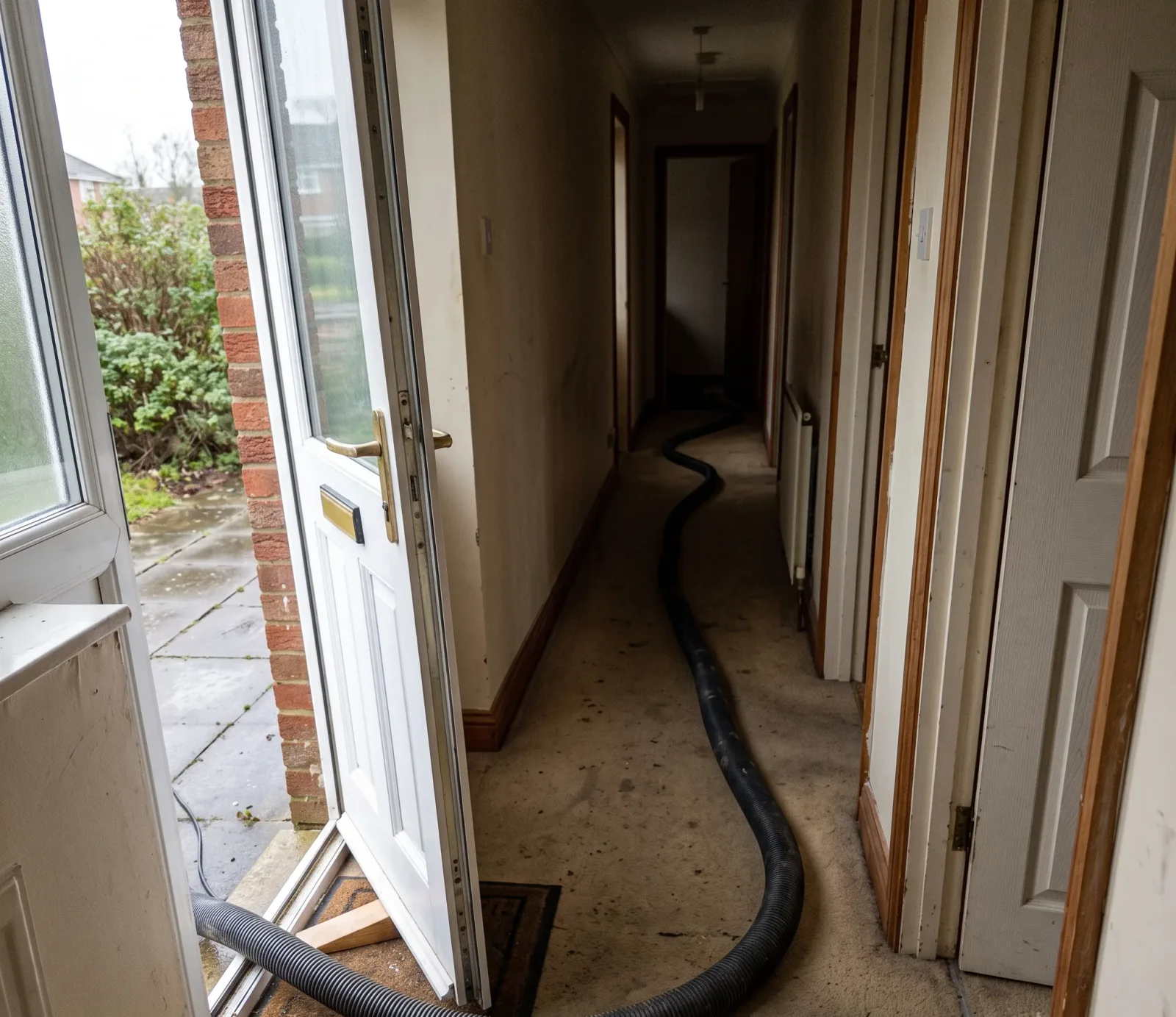
Standing water out of Tempe homes and businesses fast, any hour. Call (480) 681-1520 now.
Emergency water extraction Tempe, AZ means getting standing water off your slab floor fast, before it soaks into carpet pad, baseboards and cabinets. Call (480) 681-1520 any hour and we connect you with a local licensed pro.
Tempe homes have no basement for water to fall into, so it spreads flat and sideways while the surface still looks like a puddle you could mop. Getting it off the floor is the whole job of the first visit.
Water extraction is pulling standing water out of floors, carpet and pad with a wet vacuum, an extraction wand or truck-mounted equipment. A submersible pump comes in for anything deeper than a few inches.
Once the water is out, the space moves to structural drying so flooring, baseboards and drywall don't keep holding moisture.
Emergency water damage means water from a broken line, failed heater or overflow is spreading, so stop the source if you can and call a local licensed pro right away.
A water heater that ruptures or a supply line that splits keeps pushing water after you shut the valve, and what already reached the floor still has to come out.
Every hour it sits, more water moves into material that has to be pulled out instead of dried. Don't wait, call (480) 681-1520 now.
Emergency flood repair starts with getting the water out fast, then drying and checking everything it touched.
Caliche hardpan under Tempe lots keeps rainwater from soaking away, so a roof leak or overflowing gutter in monsoon season can sit against a slab for hours. That raises the odds of moisture working into flooring and baseboards.
The right emergency flood damage extraction contractors are licensed pros who read the water first, then pull it out with the right equipment. Call now and we connect you with a local licensed pro for homes and businesses, any hour.
Clean supply-line water is category 1, water carrying detergent or irrigation runoff is category 2, and water backed up from a sewer line is category 3. That call decides whether furniture and drywall get pulled or dried in place.
Crawl space water removal is rarely needed in Tempe, because most homes sit on concrete slabs with no crawl space under the floor.
If your home does have a low area under the floor with water in it, call (480) 681-1520 and a local licensed pro will pump it out and check moisture.
Water pooling on a slab floor won't drain on its own, because caliche soil under Tempe keeps groundwater from pulling it away fast. Once carpet pad, baseboards and cabinet bases sit wet, extraction gets harder every hour.
Press a hand into the carpet, and if it stays wet, the pad underneath is likely soaked through. That calls for an extraction wand and portable extractor, not a mop or shop vacuum.
A ruptured water heater or a split supply line keeps pushing water even after you shut the valve. What already reached the floor and baseboards still needs extraction.
You describe the source and how far the water has spread, and the licensed pros we connect you with head to your address with extraction equipment.
The pro checks whether it's category 1, 2 or 3, which decides what gets pulled and what dries in place.
Truck-mounted equipment clears floors and carpet, and a submersible pump handles larger volumes near Tempe Town Lake-area properties. An extraction wand and wet vacuum work carpet edges, stairs and tight spots along baseboards.
Moisture readings are taken on affected materials, and the space goes to structural drying before anything is called finished.
Homes and apartments across Tempe, from The Lakes to Hayden Ferry Lakeside, sit on concrete slabs, so water has no basement to fall into. It spreads across one level, reaches flooring and cabinetry fast, and stays until it is physically pulled out.
Rentals near ASU and the Mill Avenue corridor often sit on older plumbing shared by several units, so one failed line can affect more than one home. The licensed pros we connect you with treat these calls with the same urgency day or night.
Caliche hardpan under Tempe lots keeps rainwater from soaking away quickly, so a roof leak or overflowing gutter during monsoon season can sit against a slab for hours. That raises the odds of moisture working into flooring and baseboards.
Ask any licensed pro near Mill Avenue for a breakdown before work starts: square footage affected, equipment run time in days, and materials torn out versus salvaged. That paper trail is what an insurer wants to see, and it's what keeps the final invoice from surprising you.
| Monsoon Readiness | SRP Water Day Risk | Drywall Damage Level |
|---|---|---|
| Putting a home back together prices out like construction work: materials, hours on site, and how much drywall, paint, trim, or flooring gets replaced. A single flooded room near Escalante closes out faster than a multi-room tear-out. | Tempe's alluvial soil sits on caliche hardpan, so water from a burst line near Mill Avenue rarely drains down — it spreads sideways under the slab. A leak by Kiwanis Park behaves differently than one off Rural Road, depending on how thick that hardpan runs beneath the flooring. | an estimated $385–$1680 |
| Finish level and the square footage rebuilt set this number, whether that means patching one wall or replacing flooring across a unit near Hayden Ferry Lakeside. A University Heights remodel scopes wider than a single bedroom. | Caliche sits under most of Tempe, from Warner Ranch to Escalante, and it barely drains. A water heater failure in a slab home near Kyrene Road can pool for hours instead of soaking away, pushing moisture sideways under baseboards before anyone notices the carpet is soaked. | an estimated $450–$2400 |
| Matches a roof failure during monsoon season that sat against drywall near McClintock Drive longer than one visit can fix, needing repeat checks over several days. | Flat roofs near Mill Avenue and slab foundations across Warner Ranch sit low against caliche hardpan, so monsoon rain has nowhere to go but sideways into walls. A water heater failure in an ASU rental or a flood irrigation gate left open near Kyrene Road spreads the same way: fast, sideways, and hidden until the drywall bows. | an estimated $675–$3840 |
| Rebuilding after drying and demo runs room by room and material by material, so one wet bedroom in Riverside costs less than a full kitchen near Baseline Road with cabinetry, flooring, and drywall all torn out. | Tempe runs flat from Papago Park to McClintock Drive, so water doesn't rush downhill like it does in hillier cities — it pools. Flood irrigation gates near Warner Ranch and roof runoff along Apache Boulevard both sit on caliche that barely drains, turning a slow leak into standing water fast. | an estimated $1080–$6400 |
What a neighbor near Kiwanis Park paid rarely predicts your bill. Caliche hardpan under Tempe lots keeps water from draining away fast, so two homes on the same street can dry at very different speeds and costs.
A burst line or overflowing fixture is treated as active at any hour. The licensed pros we connect you with handle calls near Mill Avenue, ASU housing and Warner Ranch on the same urgent basis, day or night.
Category 1 is clean water, like a supply-line or water heater break, category 2 carries things like detergent or irrigation runoff, and category 3 is sewer backup. Clean water left against flooring or drywall for even a day can pick up contaminants and shift toward category 2, which changes how it gets handled.
A wet vacuum only handles a small spill. Once water covers baseboards or spreads across a slab floor, it needs a submersible pump or truck-mounted extraction to pull it out completely.
Not for extraction itself, which pulls water off floors and out of carpet and pad. Cutting into drywall is a separate step, only done if moisture reached the wall cavity.
No. Flooring, baseboards and drywall near the loss can still hold moisture after the standing water is out. That is why the space is handed to structural drying once extraction is finished.
Most homeowners pay an estimated $450–$1600 per treatment for emergency water extraction in Tempe. Two things move that figure: the treated footprint, and how far the problem has already spread. We quote after looking at the property, not over the phone, and there are no call-out fees added afterwards.
Tempe sits flat in the Salt River Valley, but caliche hardpan under the sand keeps monsoon rain from draining fast. Water pools against a slab near Mill Avenue or Rio Salado Parkway instead of soaking in, which is why a fast pump-out matters more here than the rain total itself.
Arizona's landlord-tenant law sets real repair timelines for water damage in rentals — here's what habitability actually requires and what tenants can do.
Read article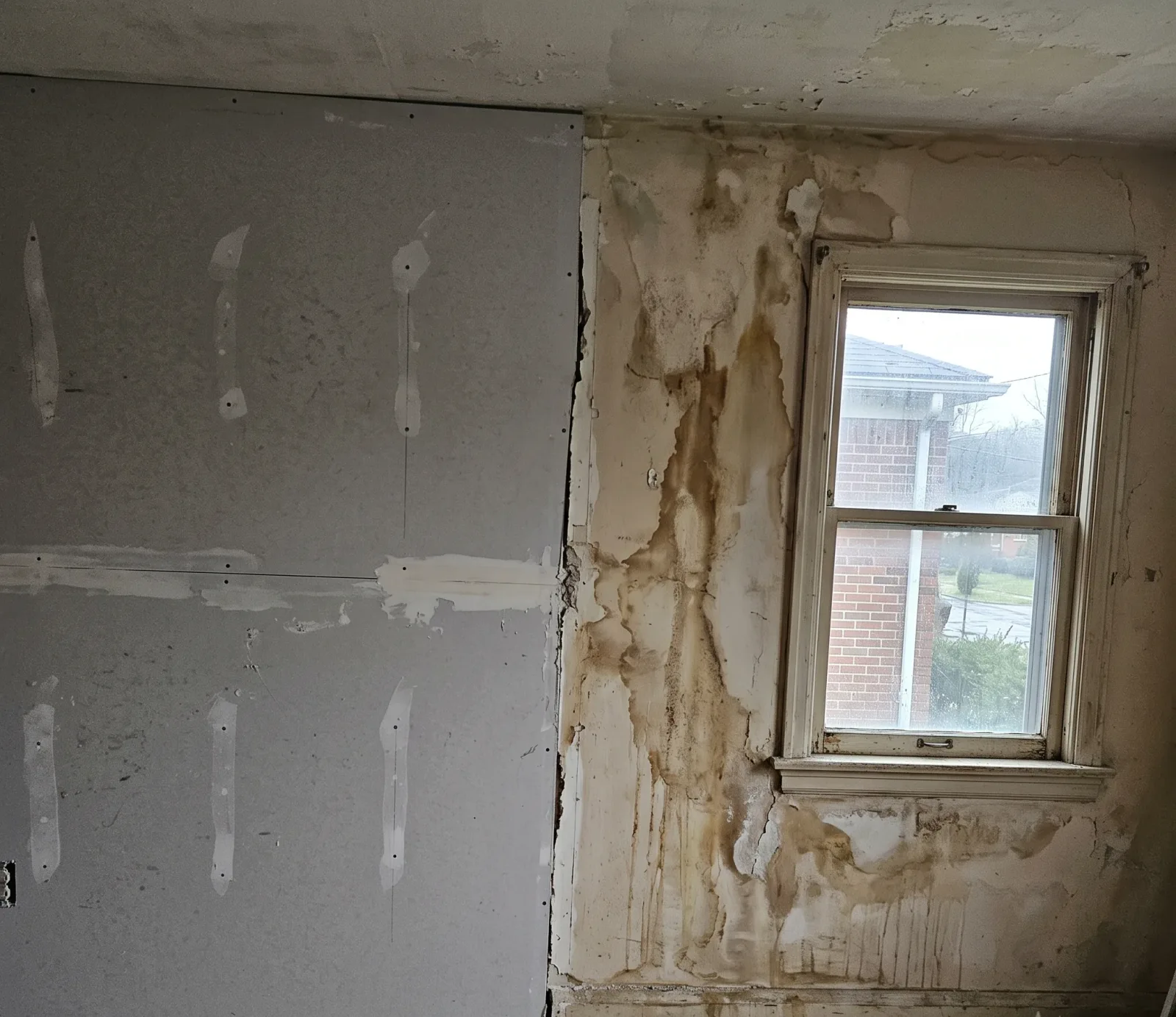
What Arizona seller disclosure rules mean for a Tempe home with a past water event: material defects, latent defects, mold history, and as-is sales explained.
Read article
A quick-reference checklist for Tempe homeowners: shutoff valve, electrical hazard, wet items, and photo record steps to take before help arrives.
Read articleThis page covers one part of a response that usually involves more than one fix. Water damage in Tempe rarely stays where it started; a roof leak during monsoon season can reach wiring, and an AC condensate leak can sit under flooring near Mill Avenue rentals for days before anyone smells it. The full picture depends on your home, not a general description. The licensed pros we connect you with can look at what's actually happening and explain what comes next.
Call (480) 681-1520