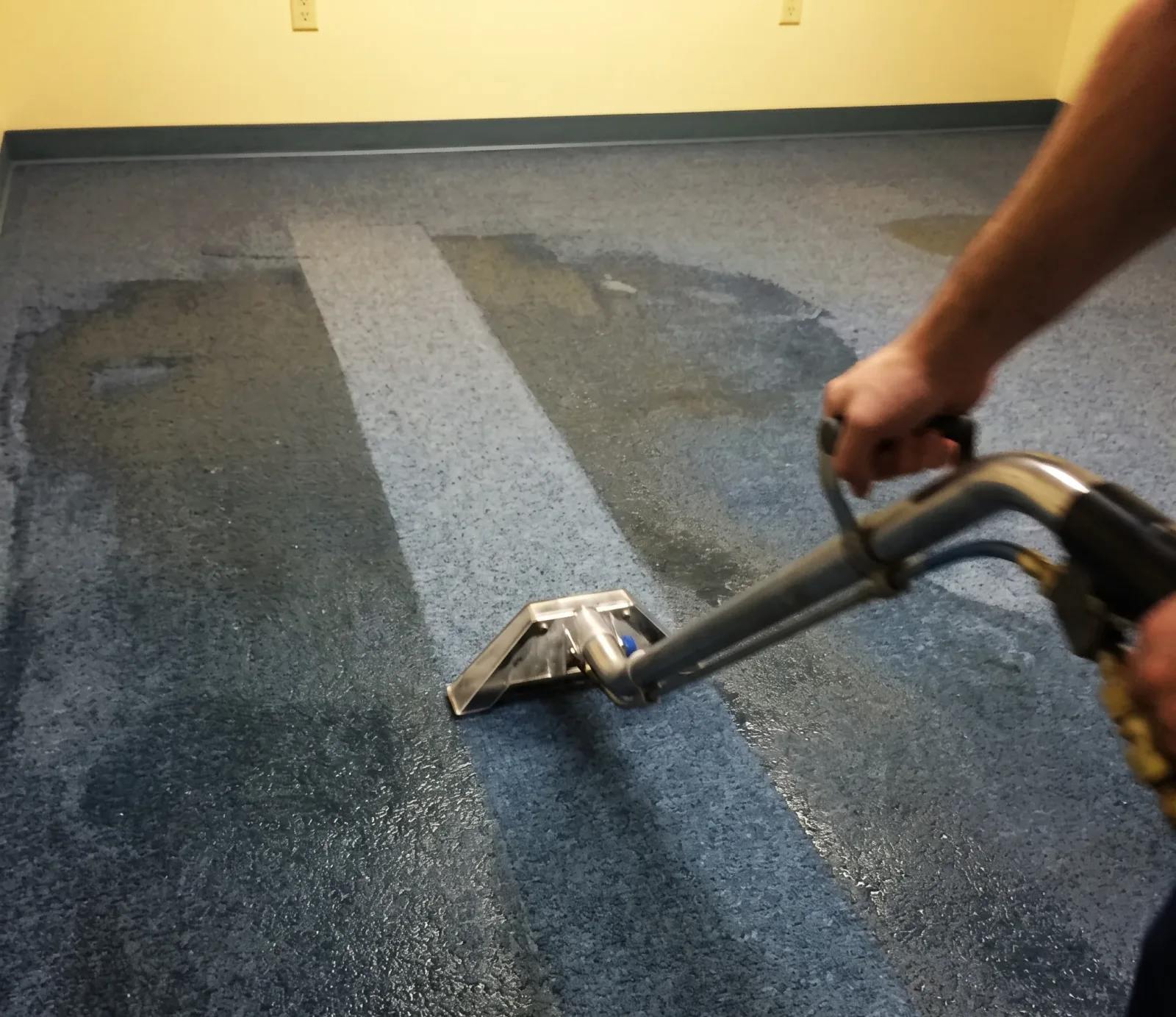
Local & Seasonal
Renting Out a Tempe Home? Know the Water Damage Risks
Aging plumbing, skipped AC maintenance, and slow tenant reports turn small leaks into bigger repairs. What water damage risk actually looks like for Tempe landlords.
Read article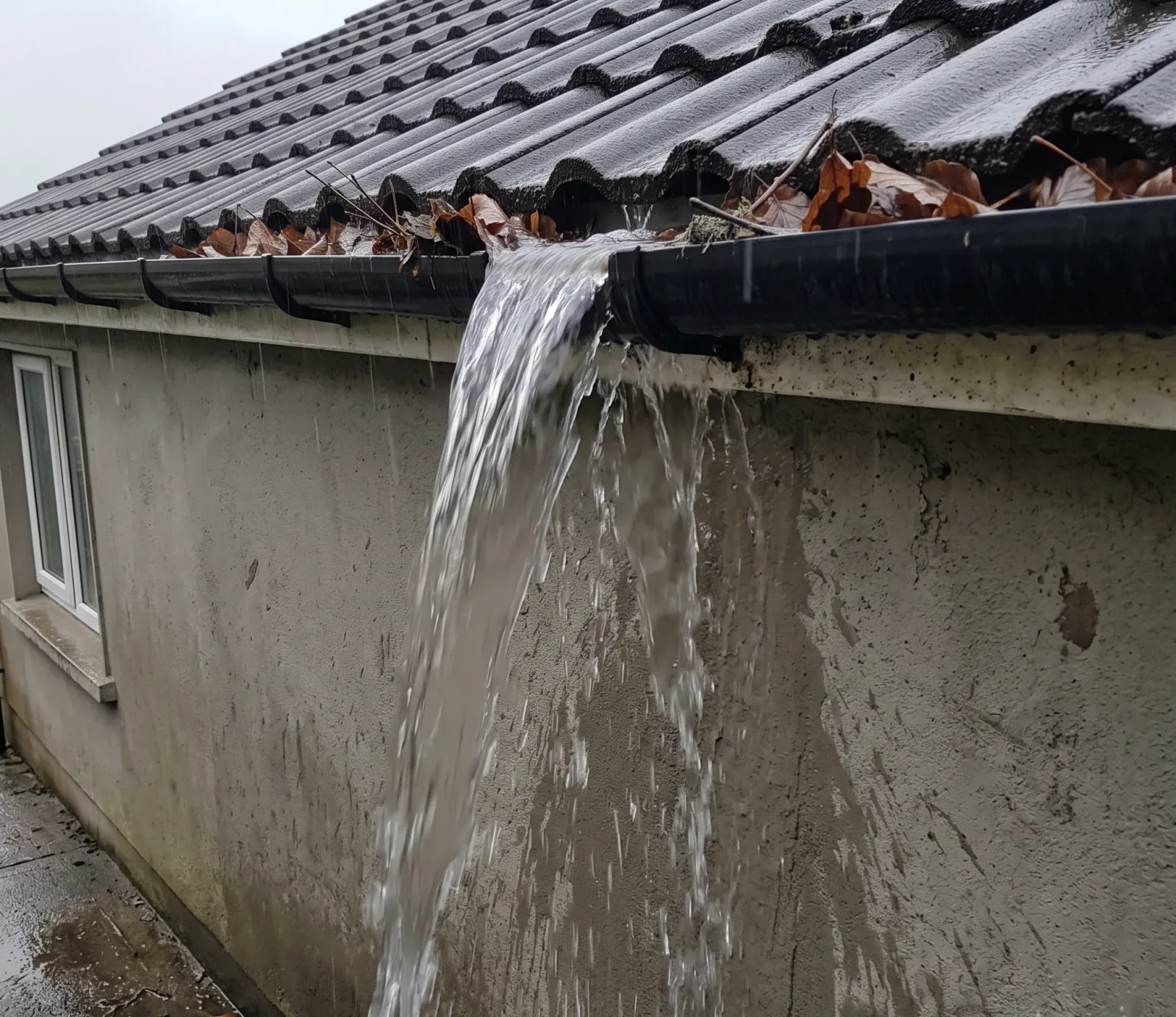
Fast help when a roof leak soaks your Tempe ceiling or attic. Call now and get licensed local pros moving.
Water damage company Tempe, AZ homeowners can call when a roof leak soaks a ceiling: we connect you with licensed local pros who dry the damage fast. These water damage contractors and specialists pull wet materials, dry the structure, and rebuild the ceiling.
Flat and low-slope Tempe roofs pond water after heavy rain, so one soft spot can feed damage across several rooms. Don't wait for the next monsoon storm to find out how far it spreads.
Water damage cleanup after a roof leak means removing soaked ceiling drywall and wet insulation, then drying the attic, framing, and walls. The licensed pros we connect you with follow the water from the roof deck down into the room.
Any roof deck wood that stayed wet too long comes out before drying starts.
A roof water leak often shows up far from where it enters, because water follows the framing before it drips through drywall. A stain can sit several feet from a parapet wall, chimney flashing, or vent penetration.
The pros we connect you with trace the stain up into the attic to find the entry point. A leak from a supply line is a different job.
Roof leak repair and water damage cleanup are two different jobs, and most Tempe homes need both. A roofing contractor fixes the shingles, membrane, or flashing that let the water in.
The licensed pros we connect you with handle the inside: pulling wet materials, drying the structure, and rebuilding the ceiling to match the room. Sealing the roof itself stays a separate job.
A flood water damage contractor handles the wet mess a monsoon storm leaves inside your home, including roof leaks that soak ceilings and attics. Monsoon downpours push water sideways into cracked flashing.
Flat and low-slope roofs pond water instead of shedding it, and that standing water finds any weak seam in the membrane or flashing.
The first 24 hours matter most with water damage, because a wet ceiling and soaked insulation keep absorbing water until they are dried. In Tempe's summer heat and monsoon humidity, wet insulation and a damp roof deck can grow mold within days.
Call now at (480) 681-1520 and book before the next storm.
A ceiling stain that returns after every monsoon storm means water is still moving through the roof deck above it. The repeat pattern matters more than the stain's size.
A dark ring, a soft spot in the ceiling, or a musty smell after monsoon rain usually means water has been sitting above it for days. Flat roofs over additions can hide a slow leak well before drywall shows it.
Standing water on a flat or low-slope section over a garage or added room can last for days after a downpour. It eventually finds a weak seam or roof penetration.
The stain is followed up into the attic to find where the roof lets water through.
Soaked ceiling drywall, wet insulation, and roof deck wood that stayed wet too long are pulled out before drying starts.
Fans and dehumidifiers dry the attic space, ceiling framing, and nearby walls, with daily moisture checks until levels normalize.
Ceiling and drywall are rebuilt to match the room before the leak. Sealing the roof stays a separate job for a roofer.
Tempe homes are built slab-on-grade with drywall ceilings that were never meant to handle a repeated leak. When water returns after every monsoon storm, the same ceiling and insulation never get a chance to dry out.
Tempe roofs split between pitched shingle and tile roofs and flat or low-slope membrane roofs. Each type leaks at different weak points.
Flat and low-slope Tempe roofs pond water after monsoon storms instead of shedding it, and that standing water finds any weak seam in the membrane or flashing. A ceiling stain often traces back to a roof penetration for an AC unit, not the spot where the stain shows.
A water job in Tempe prices out by how many rooms took on water, what kind of water it was, and how many days it sat before anyone called. A cracked supply line caught fast costs far less than a flood-irrigation gate left open overnight near McClintock Drive.
| Drying Time | Slab Moisture Risk | Roof vs Ground Source |
|---|---|---|
| Priced by the visit when one appliance fails and water stays put. A water heater giving out in Escalante near Mill Avenue fits here, no walls opened. | Tempe's flat lots drain slow once caliche hardpan sits below the sand. Slab foundations near Rio Salado Parkway or Kyrene Road hold rain against the block instead of shedding it, so monsoon runoff and a stuck SRP irrigation gate cause the same soggy baseboards on opposite sides of town. | an estimated $510–$3150 |
| Covers a single wet room, no standing water, no sewage. A monsoon leak soaking one guest room near Kiwanis Park is the kind of call this level answers. | Tempe sits flat on Salt River Valley alluvium, and that flatness is the problem: water has nowhere to run downhill, so it sits against the slab until it finds a way in. Near Tempe Town Lake or off Rio Salado Parkway, a slow roof leak can soak a foundation for days before anyone notices. | an estimated $600–$4500 |
| Suits a fast catch: a hose bib left running near University Heights before anyone noticed. Extraction and drying gear go in once, then the job closes out. | A slab foundation near McClintock Drive traps water differently than a low-slope roof over an Apache Boulevard rental. ASU-area units flood fast when a water heater fails; Warner Ranch homes sit longer before anyone notices the caliche below has nowhere to send it. | an estimated $900–$7200 |
| Right when moisture readings near Maple Ash stay shallow. The pros you connect with check the slab and baseboards before deciding anything gets torn out at all. | Water moves by where it's poured, not just where it lands. A flood irrigation gate left running near Warner Ranch soaks a yard slowly, while a Mill Avenue rental with a burst water heater floods a slab in minutes. Caliche under Tempe keeps that water from draining down, so it spreads sideways instead. | an estimated $1440–$12000 |
A ballpark figure given before anyone lifts a baseboard near Mill Avenue or checks the slab under a Warner Ranch kitchen means little. The licensed pros we connect you with inspect the property first, then price the actual repair, not a guess made from a driveway.
Water crossing a roof deck follows the framing, so it can travel several feet before it drips through drywall. A leak at a parapet wall, chimney flashing, or roof penetration often shows up well past the entry point, which is why finding the leak comes before repairs.
It depends on how long they stayed wet. A leak caught the morning after a storm, with insulation still dry underneath, can often just be dried out. Once drywall has soaked for days, that section usually has to come out and be rebuilt.
Call both, because they do different jobs. A roofing contractor fixes the shingles, membrane, or flashing that let the water in. The licensed pros we connect you with pull wet materials, dry the structure, and rebuild the ceiling.
Yes, if it sits. Wet insulation and a damp roof deck can grow mold within days in Tempe's summer heat and monsoon humidity. Ponding water also lingers longer on low-slope membranes than on pitched shingle roofs.
It depends on timing. A roof leak from an active monsoon storm is usually a covered sudden event. A stain that has spread for months from a slow flashing or membrane failure is often treated as a maintenance issue and denied.
Expect an estimated $600–$3000 per treatment for roof leak water damage around Tempe. Where you land inside that depends on the size of the building and how long the problem has been running. The inspection is free, so you get a real figure rather than a guess, and it is written down before anyone starts.
Water sitting in a Maple Ash bungalow behaves differently than water pooling against a slab near Kiwanis Park, since caliche hardpan under Tempe slows how fast ground moisture clears. Left wet past a day or two, drywall and cabinet bases turn soft and start smelling musty, not just near Mill Avenue but anywhere flood irrigation or a monsoon downpour got inside.
Aging plumbing, skipped AC maintenance, and slow tenant reports turn small leaks into bigger repairs. What water damage risk actually looks like for Tempe landlords.
Read article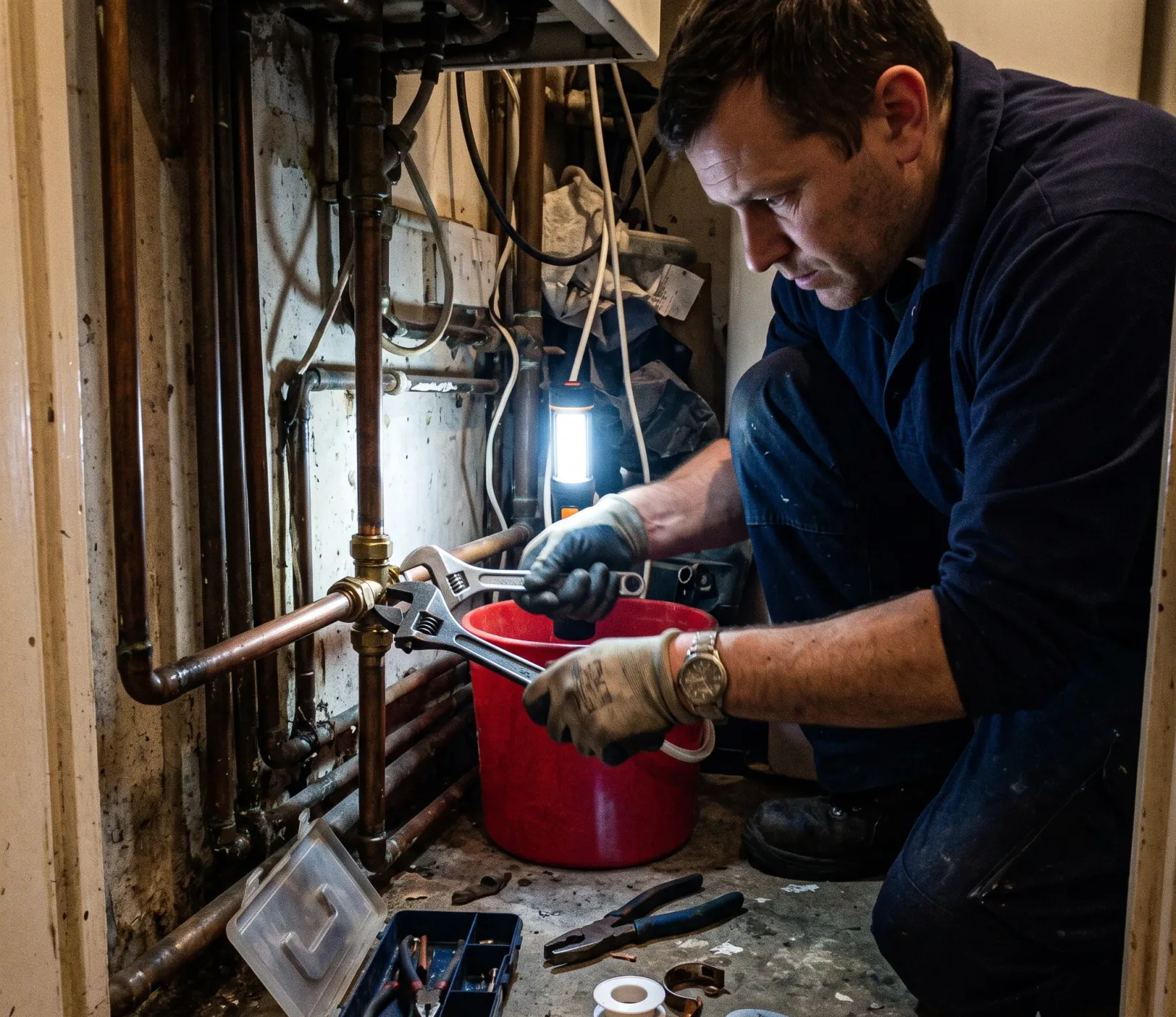
Arizona's landlord-tenant law sets real repair timelines for water damage in rentals — here's what habitability actually requires and what tenants can do.
Read article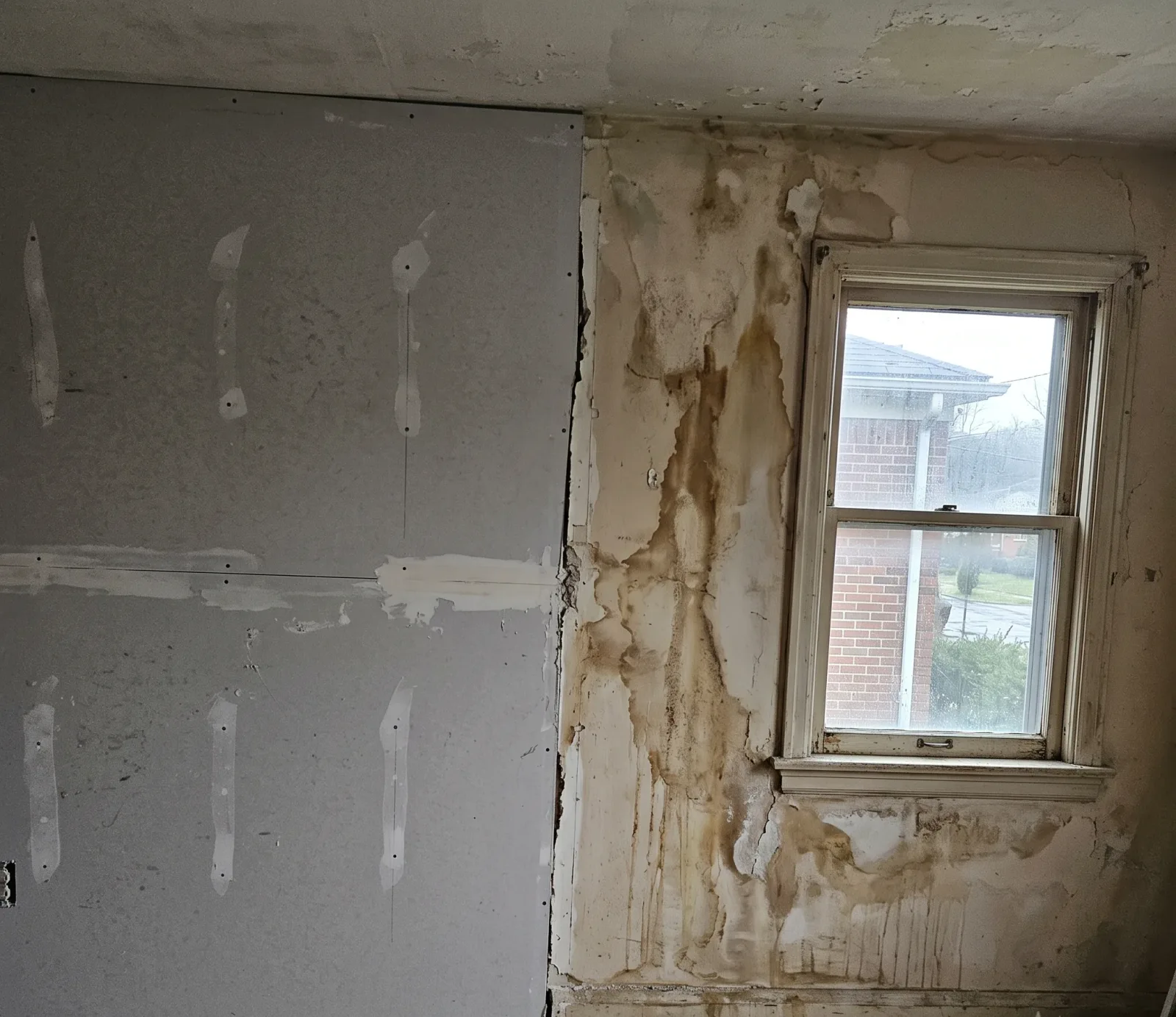
What Arizona seller disclosure rules mean for a Tempe home with a past water event: material defects, latent defects, mold history, and as-is sales explained.
Read articleThis page covers one part of a response that usually involves more than one fix. Water damage in Tempe rarely stays where it started; a roof leak during monsoon season can reach wiring, and an AC condensate leak can sit under flooring near Mill Avenue rentals for days before anyone smells it. The full picture depends on your home, not a general description. The licensed pros we connect you with can look at what's actually happening and explain what comes next.
Call (480) 681-1520