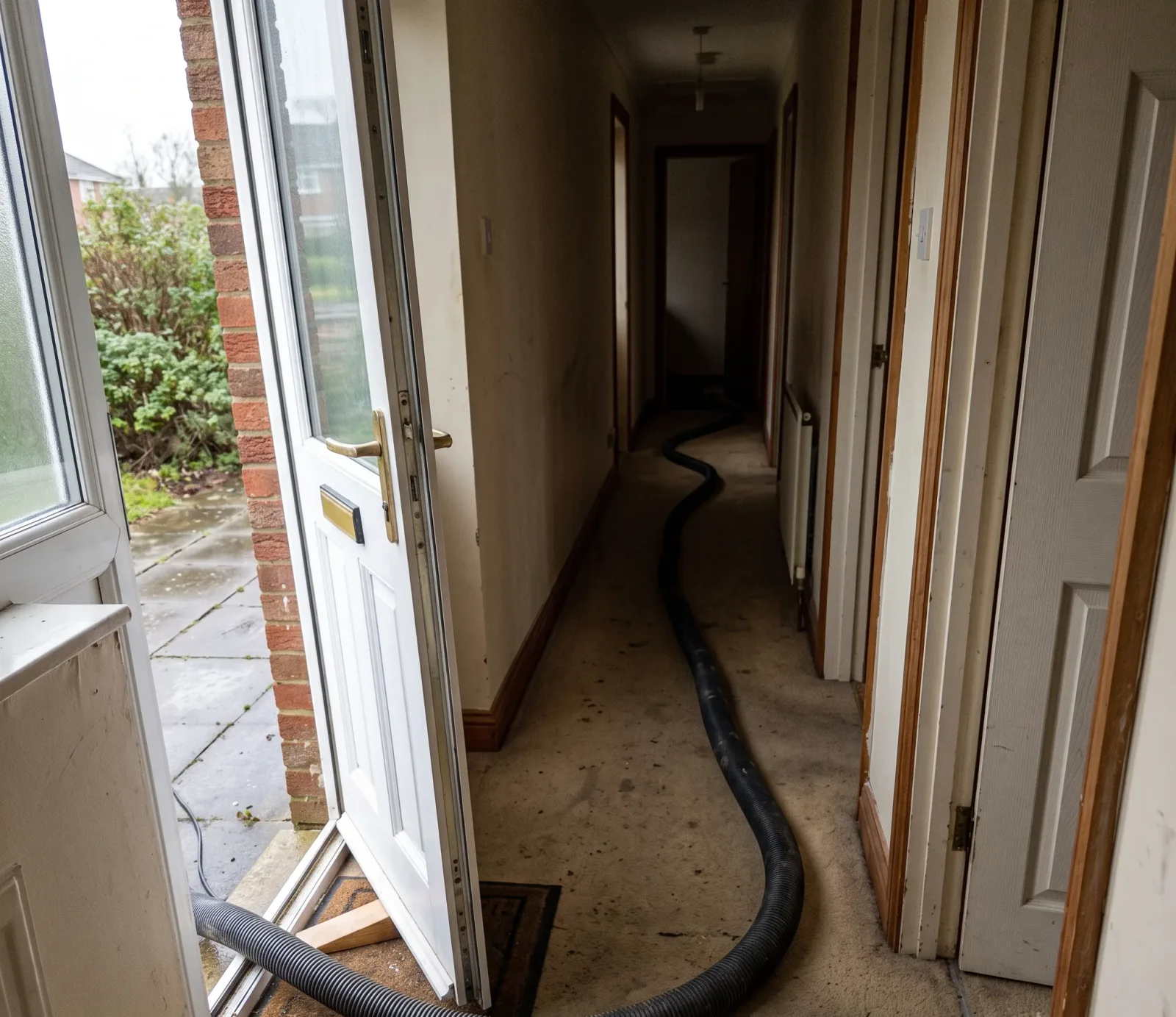
Emergency Water Extraction
Standing water out of Tempe homes and businesses fast, any hour. Call (480) 681-1520 now.
Learn about Emergency Water ExtractionSlab-on-grade lake homes from the 1970s-90s, where caliche soil keeps monsoon runoff sitting against the slab instead of draining away.
Water damage restoration The Lakes homes need starts at the slab, since every home here rests on concrete and a loss spreads across the floor. Caliche under the neighborhood barely drains, so monsoon rain can sit against the foundation instead of soaking away. Older homes from the original build-out have had forty-plus summers of heat cycling their slabs and plumbing, so a failed water heater or cracked supply line shows up fast as warped flooring and soaked baseboards.
Mold remediation in The Lakes should start within 48 hours of a leak, because a slab that stays wet under flooring can hold moisture for days.
Don't wait for a musty smell. Call now and a local licensed pro can dry the area and deal with mold before it takes hold.
Water damage repair in The Lakes usually means replacing warped flooring and soaked baseboards, because water spreads across the slab and up the drywall. Older homes often start with a water heater failure or a cracked supply line.
Tile, laminate and carpet each hold water for different lengths of time, so a local licensed pro should check what is under the surface.
Water extraction in The Lakes means pulling standing water off the floor fast, before it spreads across the slab and up the walls.
The licensed pros we connect you with cover The Lakes day and night, including monsoon season. Call now for emergency water extraction.
Water mitigation in The Lakes means stopping the water and drying the slab and walls before the damage spreads.
Caliche slows drainage, so monsoon water can sit against a foundation longer here. Book help before the next storm.
Caliche soil, flood irrigation, and monsoon downpours push water into Tempe homes at floor level, not the basement.
The housing in The Lakes is 1970s-1990s slab-on-grade single-family homes around man-made lakes, with some post-2000 infill, and none of it has a basement to flood — that is not how the Valley builds. The practical difference is that water shows up at floor level immediately, so the hour after it starts matters more here than the day after would somewhere with a cellar.
Tempe Town Lake keeps the local water table high after heavy rain. That damp works its way into wall cavities and exterior framing — and once structural material stays wet, mold stops being a possibility and starts being a matter of time.
The Lakes drains toward its namesake lakes and their surrounding swales, so a hard monsoon storm moves water fast across yards and driveways. Caliche soil slows how quickly that water soaks in, leaving slabs exposed to standing moisture longer than well-drained ground would allow. Winter brings Tempe's mildest stretch, but AC-to-swamp-cooler transitions and leftover monsoon moisture in wall cavities near Papago Park can still surface as damp drywall. It's quiet damage, easy to miss until it spreads.
Sites like Hayden Ferry Lakeside offices mean plenty of tenanted and mixed-use buildings in The Lakes. In those, access coordination is half the job — work fits around occupancy, and each visit leaves a written record.
A water heater failure near Mill Avenue and a monsoon roof leak by Papago Park price out differently once moisture depth and drywall loss are checked.
| Service | Estimated cost |
|---|---|
| Emergency Water Extraction | an estimated $450–$1600 |
| Slab Leak Detection & Repair | an estimated $950–$4000 |
| Structural Drying | an estimated $1200–$4500 |
| Mold Remediation | an estimated $599–$4500 |
West Tempe borders The Lakes and shares the same slab-on-grade construction and caliche soil drainage pattern that shapes how monsoon water moves through both neighborhoods.
Guadalupe Road runs near The Lakes, a route the licensed pros we connect you with use to reach this neighborhood quickly during a monsoon-season callout.
Kyrene Road threads past The Lakes toward other West Tempe streets, all built on the same slab foundations that make floor-level water damage the pattern here.
Standing water out of Tempe homes and businesses fast, any hour. Call (480) 681-1520 now.
Learn about Emergency Water Extraction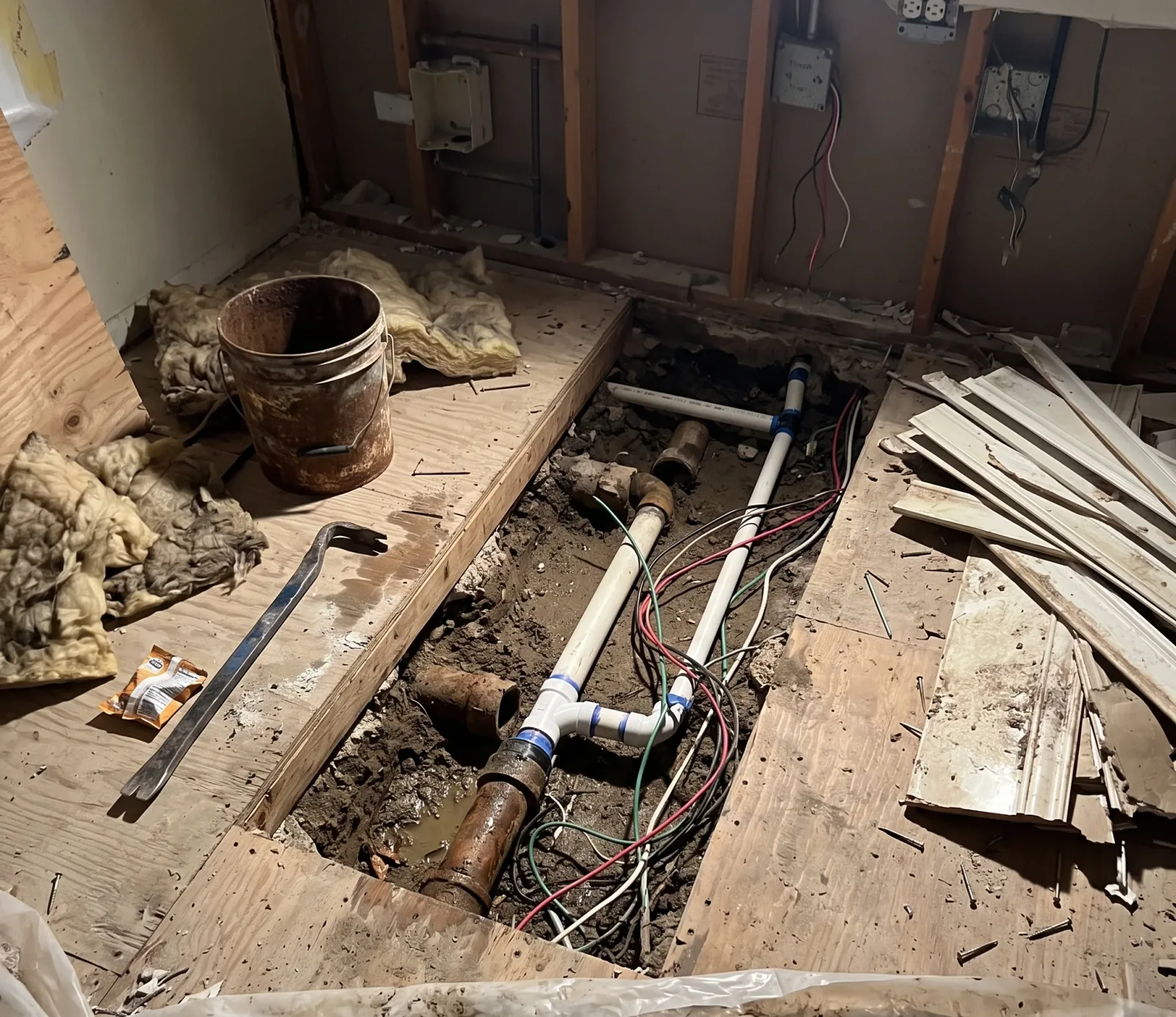
Pinpoint the leak under your Tempe slab fast, then repair only what's broken. Call (480) 681-1520.
Learn about Slab Leak Detection & Repair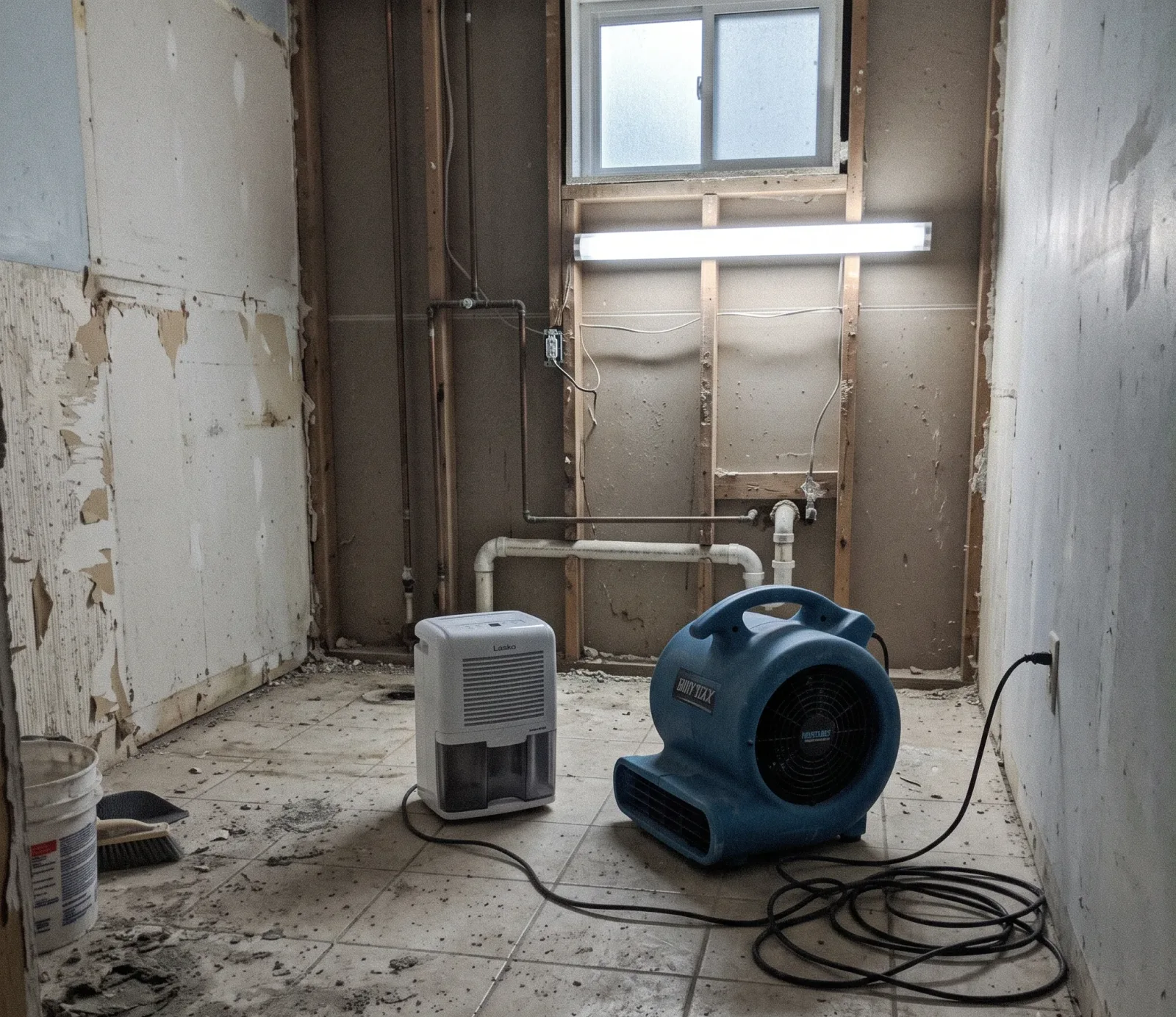
Daily moisture readings prove your home is dry, not a guess by feel.
Learn about Structural Drying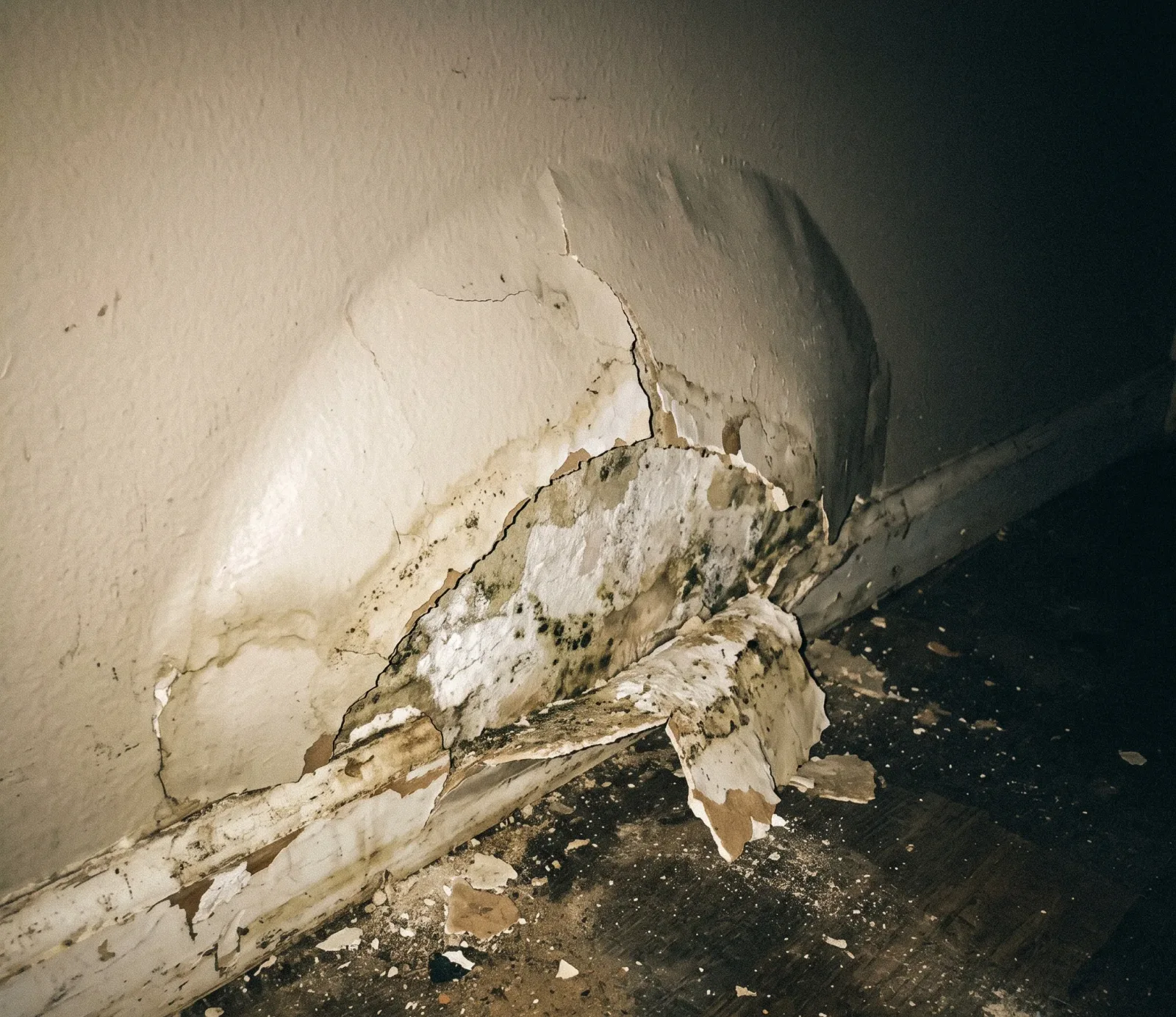
Sealed containment and full source removal, handled by a local licensed pro we connect you with.
Learn about Mold RemediationFast. The licensed pros we connect you with cover The Lakes day and night, including monsoon season. Call (480) 681-1520 now.
A standard homeowners policy generally covers sudden damage like a burst water heater line, but not water that seeped in gradually. Flood irrigation overflow and rising water near the lakes may fall under a separate flood policy.
A slab that stays wet under flooring after a leak or monsoon storm can hold moisture for days. Left past 48 hours, that dampness lets mold start growing.
Rental turnover near Apache Boulevard and the ASU campus means a slow AC condensate leak can go unnoticed between tenants for days. By the time someone near University Drive smells it, drywall and baseboards are already soft. Fast response matters as much for a quiet leak as for a sudden one.
This part of Tempe does not dry out or drain the way another neighborhood does once monsoon rain lets go or a flood irrigation gate stays open too long. Older lots near Double Butte Cemetery hold moisture against a slab differently than newer construction farther from Hayden Butte. Skipping that distinction is how a repair gets scoped wrong before it even starts. The licensed pros we connect you with look at this stretch of Tempe specifically before deciding what the job needs.
Call (480) 681-1520