Water Damage
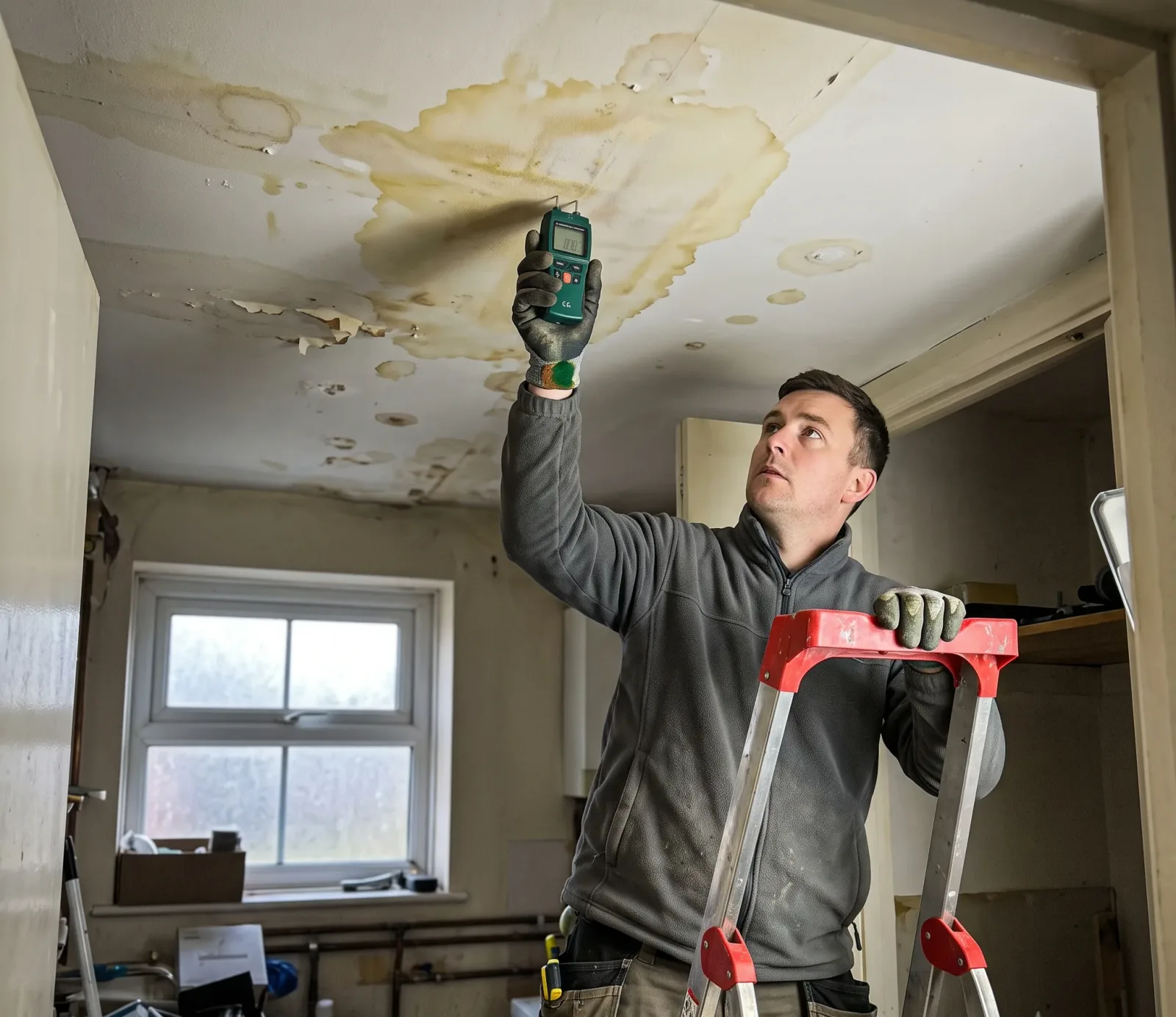
How Moisture Meters Prove a Tempe Home Is Really Dry
A moisture meter turns a suspected wet wall into a number a Tempe tech can track. Here's how pin and pinless readings actually confirm dry.
Read article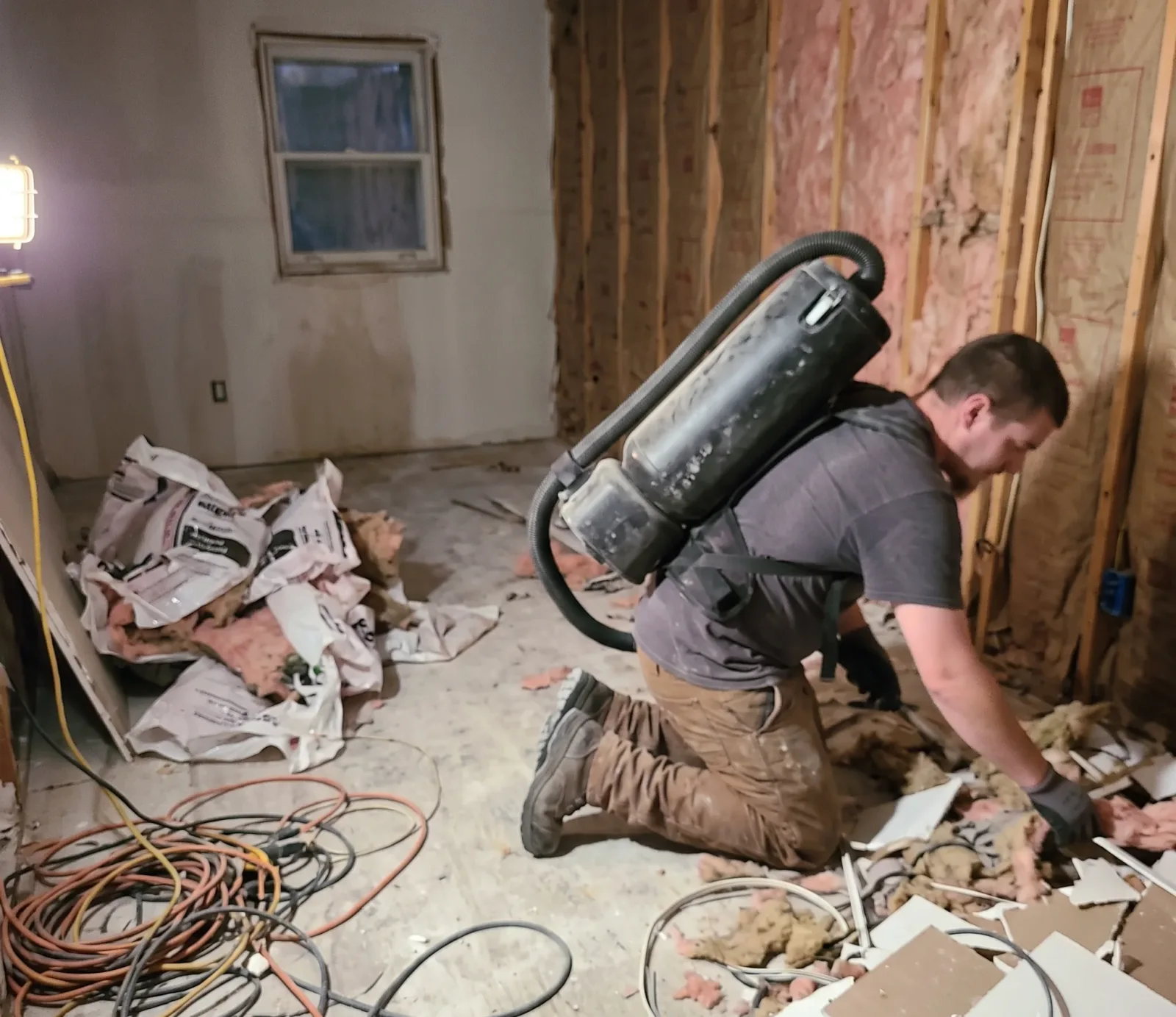
Spray only hides the smell. A local licensed pro finds the damp material behind it and treats it.
Odor removal water damage Tempe, AZ homeowners need starts with finding what still holds moisture, because a smell that keeps coming back is a moisture problem.
Masking it lasts an afternoon, and the odor returns whenever the room warms up, which in Tempe is most of the year.
Sewer odor is removed by taking out contaminated material and treating the bacteria left in the subfloor, baseboards, and grout lines.
A sewage backup carries category-3 contamination, so drywall or padding that soaked in it often has to come out first.
Surface sprays do not reach bacteria that have worked into porous material.
Smoke odor removal works when the treatment reaches the soft surfaces and ductwork where the smell settles, not just the soot you can see.
Smoke settles into cabinetry and drywall within hours, and wiping off soot can leave the smell behind for weeks.
Thermal fogging reaches crevices a wipe-down misses, and the pro we connect you with picks the method for your space.
A musty odor that hangs on after the home dries usually means drywall or subfloor is still off-gassing. Tempe's slab foundations hold humid air against baseboards longer than people expect.
Wiping off soot clears the mess but leaves the smell in porous surfaces, often for weeks.
That usually points to a spot where moisture or bacteria is still active, like a sewage backup area. Bacteria keep working in grout lines and along the subfloor edge after the contaminated material is gone.
The pro finds which wall, subfloor section, or cabinet base holds the odor instead of treating the whole room by guesswork.
Salvageable material gets cleaned. Drywall or padding too saturated to treat comes out before any antimicrobial or deodorizing agent goes on.
The method is chosen by odor type, the space, and whether the room can be vacated.
Once the area is fully dry, a final check confirms the smell is gone before any sealant goes on, so nothing gets trapped underneath.
Slab foundations in Tempe put drywall, cabinet bases, and subfloor right where a leak soaks in. Caliche soil drains slowly, so moisture lingers and odor-causing bacteria settle in before anyone notices the smell.
Flood irrigation left running near Kyrene Road or Dorsey Lane can wet a slab edge and baseboard for days, since caliche soil drains slowly. That gives odor-causing bacteria a head start, and the musty smell may show up weeks later.
Monsoon humidity slows off-gassing from treated material for a few months. A surface treated in June near Kiwanis Park can smell musty again by August if the room isn't kept dry.
A monsoon cell dumping rain near Tempe Town Lake floods a garage or patio door threshold; that's extraction and fans for a day or two. A slow AC condensate drip behind drywall near Rural Road can run for weeks unnoticed, so the repair bill grows with the mold risk, not the storm itself.
| Drying Time | Slab Moisture Risk | Roof vs Ground Source |
|---|---|---|
| What gets torn out drives this cost, not square footage: drywall, baseboard, flooring, sometimes lower cabinetry. A rental near Apache Boulevard loses less than a Warner Ranch home with wall-to-wall carpet soaked through. | Tempe's flat lots drain slow once caliche hardpan sits below the sand. Slab foundations near Rio Salado Parkway or Kyrene Road hold rain against the block instead of shedding it, so monsoon runoff and a stuck SRP irrigation gate cause the same soggy baseboards on opposite sides of town. | an estimated $255–$1260 |
| Pulling tile near Mill Avenue is a different task than stripping soaked carpet pad in a Maple Ash living room, so the bill follows the material, never the number of rooms touched. | Tempe sits flat on Salt River Valley alluvium, and that flatness is the problem: water has nowhere to run downhill, so it sits against the slab until it finds a way in. Near Tempe Town Lake or off Rio Salado Parkway, a slow roof leak can soak a foundation for days before anyone notices. | an estimated $300–$1800 |
| Fits a flat roof leak near Mill Avenue that soaked drywall over several days before anyone noticed, needing sustained drying equipment rather than a single afternoon visit to stop mold at the 48-hour mark. | A slab foundation near McClintock Drive traps water differently than a low-slope roof over an Apache Boulevard rental. ASU-area units flood fast when a water heater fails; Warner Ranch homes sit longer before anyone notices the caliche below has nowhere to send it. | an estimated $450–$2880 |
| Costs climb once insulation is wet, since attic insulation soaked by a monsoon roof leak near Kiwanis Park has to come down with the drywall, adding weight and disposal the estimate has to cover. | Water moves by where it's poured, not just where it lands. A flood irrigation gate left running near Warner Ranch soaks a yard slowly, while a Mill Avenue rental with a burst water heater floods a slab in minutes. Caliche under Tempe keeps that water from draining down, so it spreads sideways instead. | an estimated $720–$4800 |
The cheapest bid on the phone rarely matches the final bill once drywall comes down. Caliche soil near Papago Park keeps water sitting against a slab longer, so the licensed pros we connect you with want eyes on the damage before naming a number.
No. Bleach and store-shelf sprays only knock down surface bacteria and mask the smell for a short while. Once bacteria work into drywall, subfloor, or cabinet base, an antimicrobial treatment reaches what a spray cannot.
Not always. If drywall only stayed damp briefly, a surface treatment usually reaches the odor. Material that soaked for days, or took on category-3 water from a sewage backup, often has to come out first.
No. The gas is harmful to breathe, so people, pets, and plants stay out while it runs. The pros we connect you with often follow it with a hydroxyl generator, which works safely with everyone back inside.
Yes. Smoke odor settles into soft surfaces and ductwork, and fogging reaches crevices a wipe-down misses. Sewage odor behaves differently and needs direct antimicrobial treatment.
A porous surface probably still holds moisture or bacteria that surface treatment never reached. Drying stops new growth, but existing odor needs direct treatment to clear fully.
Every property is different, so the only accurate number comes from a quick inspection. That said, most odor removal & deodorization jobs in Tempe run an estimated $299–$1200 per treatment, depending on the size of the property and how severe the problem is. Pricing is confirmed in writing before any work begins, and our rates tend to sit a little under the typical local going rate.
Water sitting in a Maple Ash bungalow behaves differently than water pooling against a slab near Kiwanis Park, since caliche hardpan under Tempe slows how fast ground moisture clears. Left wet past a day or two, drywall and cabinet bases turn soft and start smelling musty, not just near Mill Avenue but anywhere flood irrigation or a monsoon downpour got inside.
A moisture meter turns a suspected wet wall into a number a Tempe tech can track. Here's how pin and pinless readings actually confirm dry.
Read article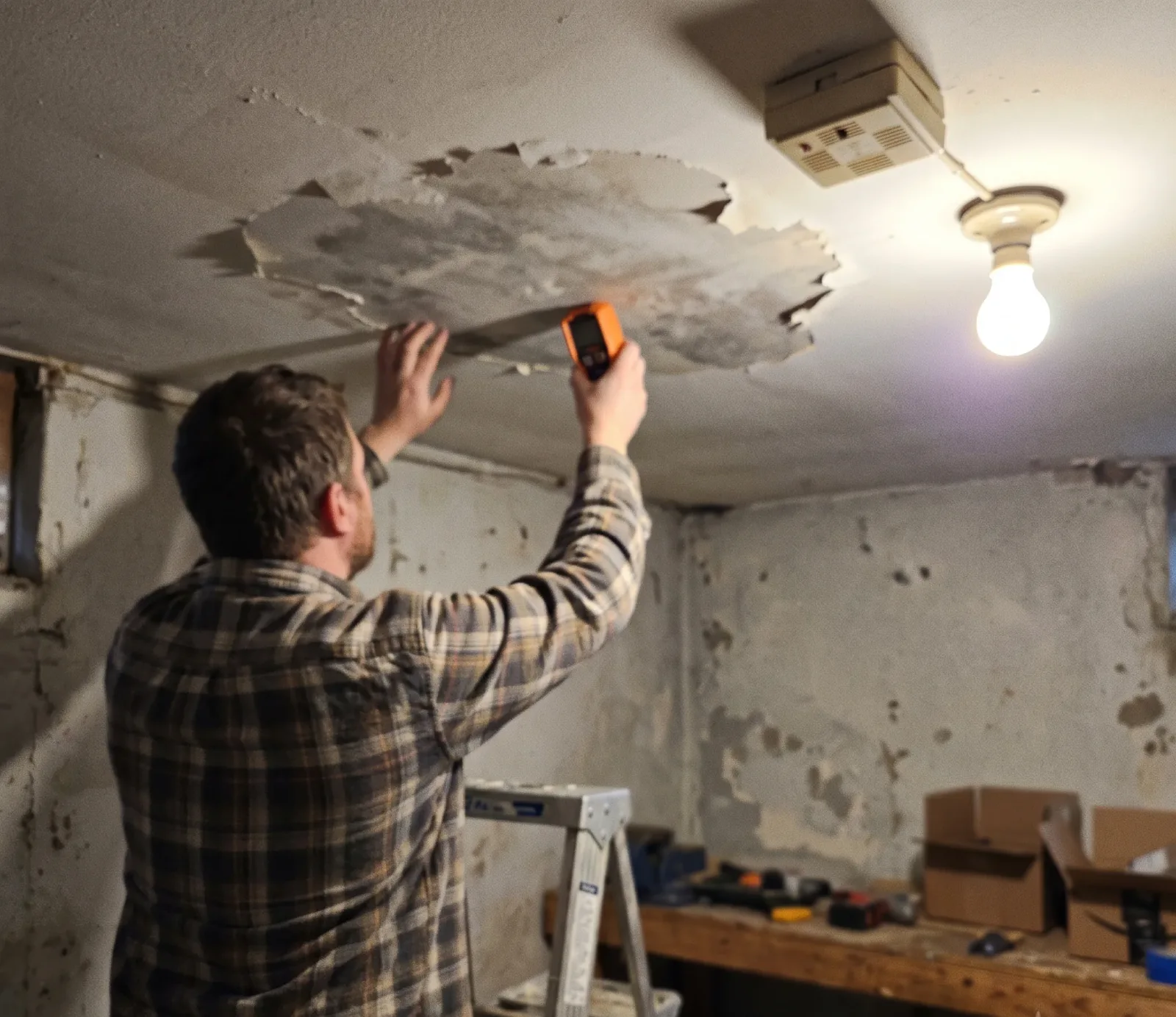
Infrared cameras don't see water, they read temperature. Here's how a thermal scan finds hidden moisture in a Tempe wall or floor without tearing anything open first.
Read article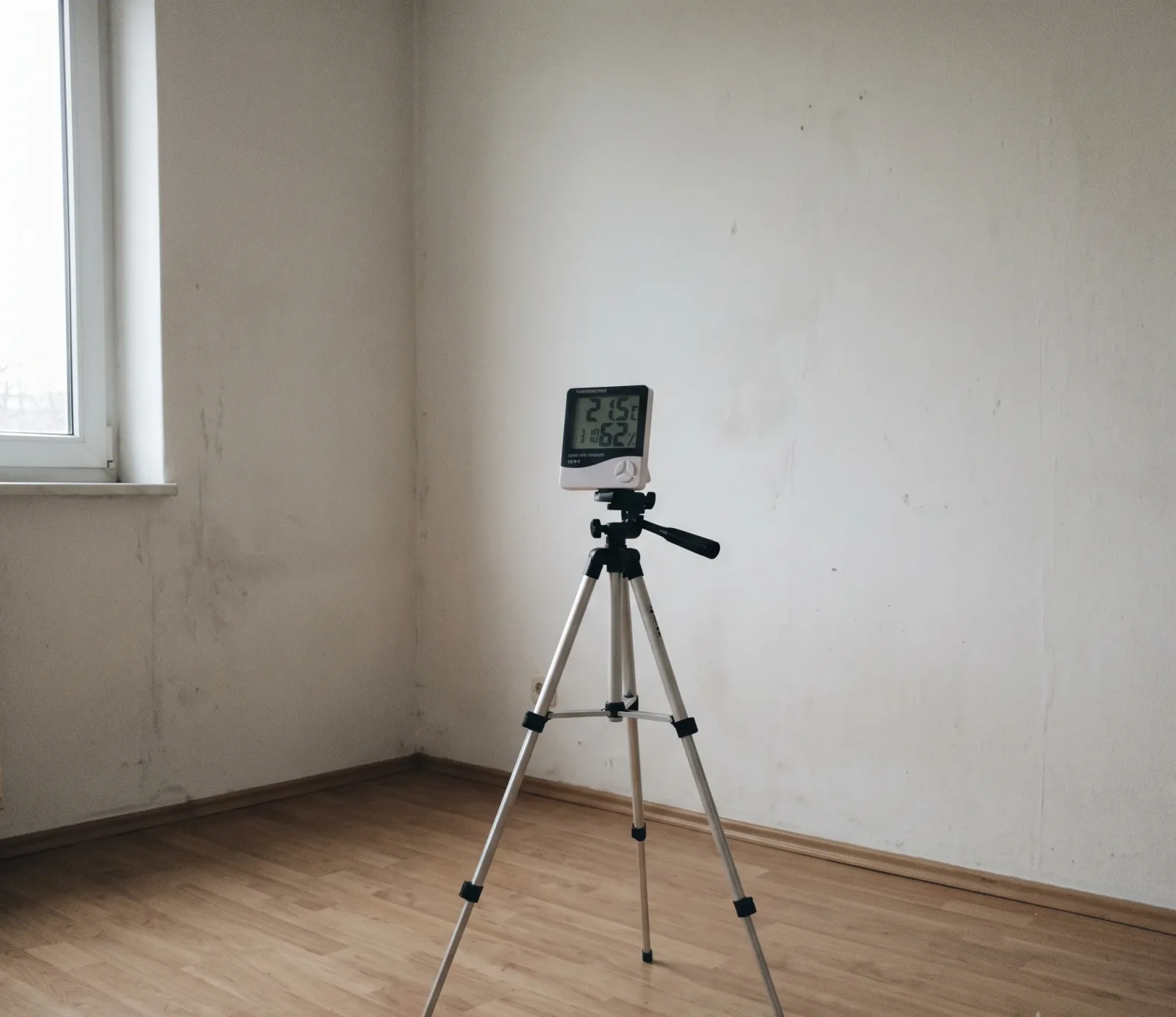
Outdoor humidity during monsoon season changes how fast a wet Tempe home actually dries. Here's the air science behind why equipment runs longer some weeks than others.
Read articleThis page covers one part of a response that usually involves more than one fix. Water damage in Tempe rarely stays where it started; a roof leak during monsoon season can reach wiring, and an AC condensate leak can sit under flooring near Mill Avenue rentals for days before anyone smells it. The full picture depends on your home, not a general description. The licensed pros we connect you with can look at what's actually happening and explain what comes next.
Call (480) 681-1520